World · India Bureau
US Official's Chip Export Policy Raises Questions Over NVIDIA CEO Role
Recent developments in US technology export restrictions have sparked speculation about potential policy influence on NVIDIA's leadership. The timing of regulatory actions and executive transitions at the chip giant has drawn scrutiny from industry observers.
LSN India ·
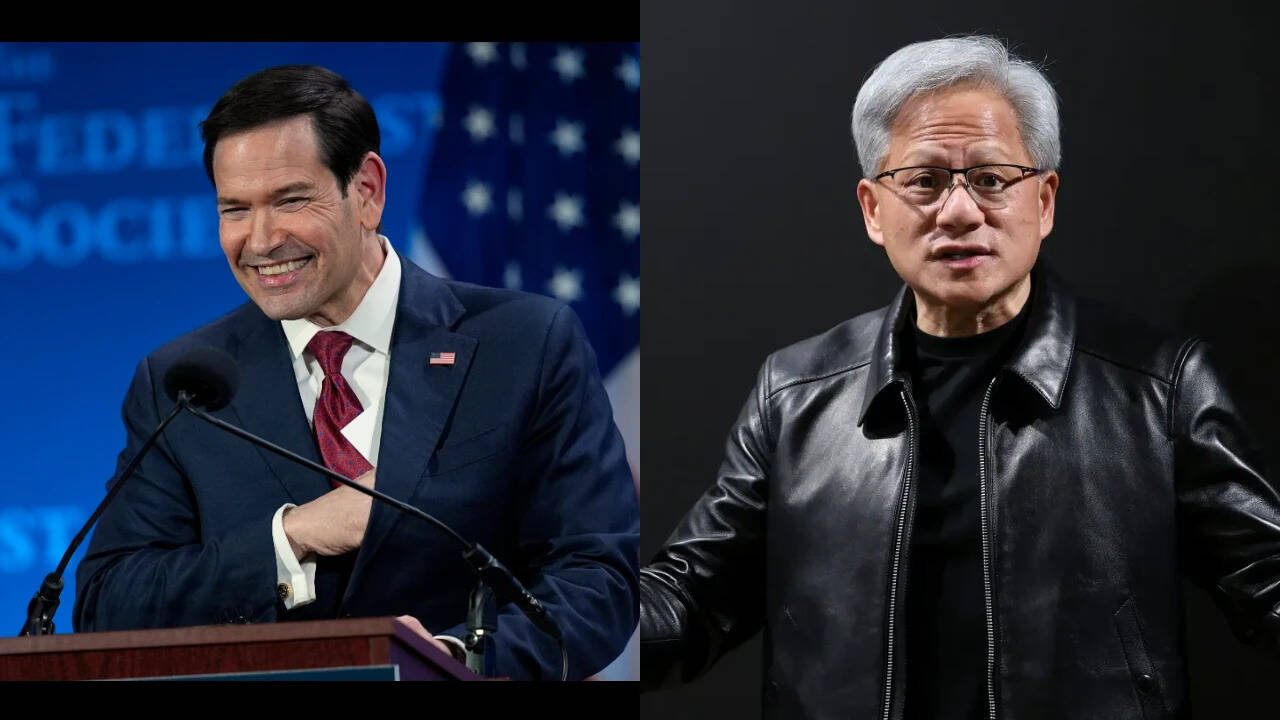
Washington's tightening stance on semiconductor exports to China has coincided with significant developments at NVIDIA, raising questions about potential policy influence on the company's operations and leadership. The US government's increasingly stringent restrictions on advanced chip technology have created unprecedented challenges for the world's leading AI semiconductor manufacturer.
NVIDIA, headquartered in California, has faced mounting pressure from export control regulations that limit its ability to sell cutting-edge processors to Chinese customers—a market that historically represented a substantial portion of the company's revenue. These restrictions, part of broader US efforts to maintain technological superiority over China, have forced the company to navigate complex compliance requirements and develop alternative strategies.
Industry analysts have noted the intersection between policy-making decisions and corporate leadership changes, though direct causation remains unclear. The semiconductor sector's strategic importance to national security has made it a focal point for government intervention, with officials at various agencies shaping rules that fundamentally affect major technology companies' business models and strategic direction.
The situation reflects the broader tension between US national security interests and the operational needs of American technology firms with significant international operations. As geopolitical competition intensifies, companies in the semiconductor space continue adapting to an increasingly complex regulatory environment shaped by government officials prioritizing strategic technological advantage.