World · World News Bureau
US Official's Iran Strike Comments Echo History of Civilian Casualty Denials
Vice President-elect JD Vance's dismissive remarks about civilian deaths in a US military operation against Iran reflect a recurring pattern in American military interventions, where initial denials often precede later acknowledgments of civilian casualties.
LSN World News ·
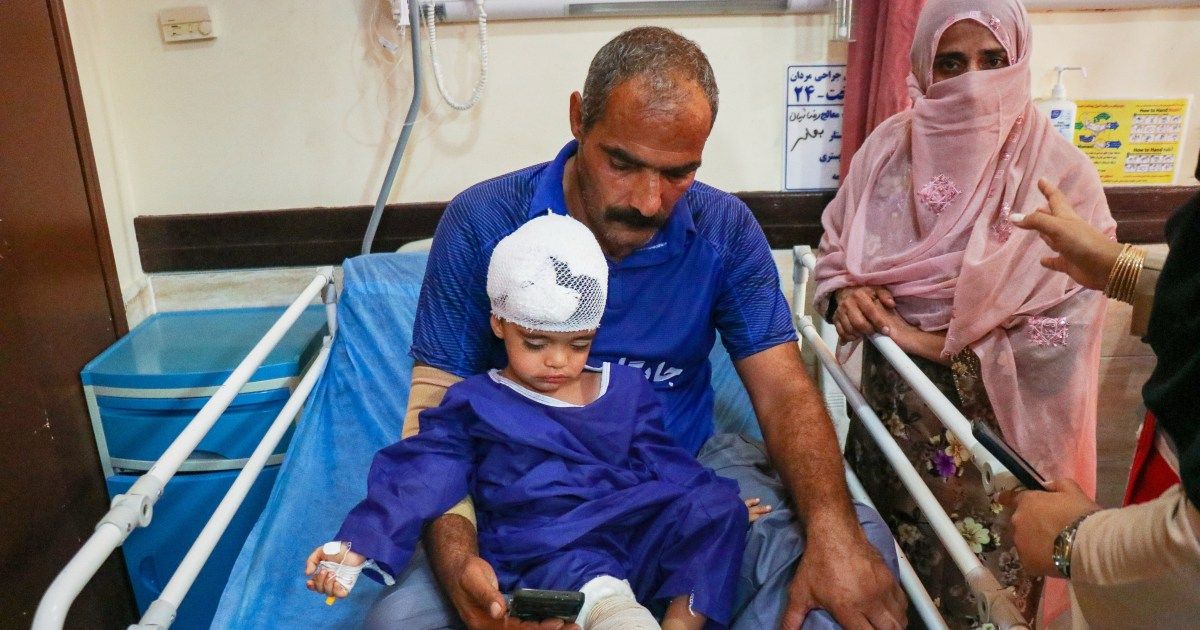
US Vice President-elect JD Vance's recent characterization of civilian deaths from a military strike as inevitable—using the phrase "things happen"—draws parallels to decades of similar statements made by US officials regarding operations that later resulted in confirmed civilian casualties. Historical precedent suggests that initial US government responses to allegations of civilian harm frequently downplay the incidents, with formal acknowledgments often coming months or years later. The pattern extends across multiple conflicts and administrations, demonstrating a consistent approach to managing public perception of such incidents. From operations in Southeast Asia through recent Middle Eastern campaigns, initial denials have eventually given way to quieter official acknowledgments, often after independent investigations or mounting evidence forced reassessment. Military and civilian officials have repeatedly characterized civilian casualties as unavoidable consequences of warfare, even as investigations subsequently confirmed higher death tolls than initially reported. This cyclical pattern has raised concerns among humanitarian observers about the gap between initial public statements and eventual factual reckonings regarding the human cost of military operations. The remarks also underscore broader questions about accountability mechanisms and transparency in military decision-making during ongoing foreign policy operations.