World · World News Bureau
US Policy Shift Reshapes Global Governance Framework
The current American administration is fundamentally altering international relations and challenging established multilateral systems. The shift signals a departure from post-Cold War consensus on global cooperation and institutions.
LSN World News ·
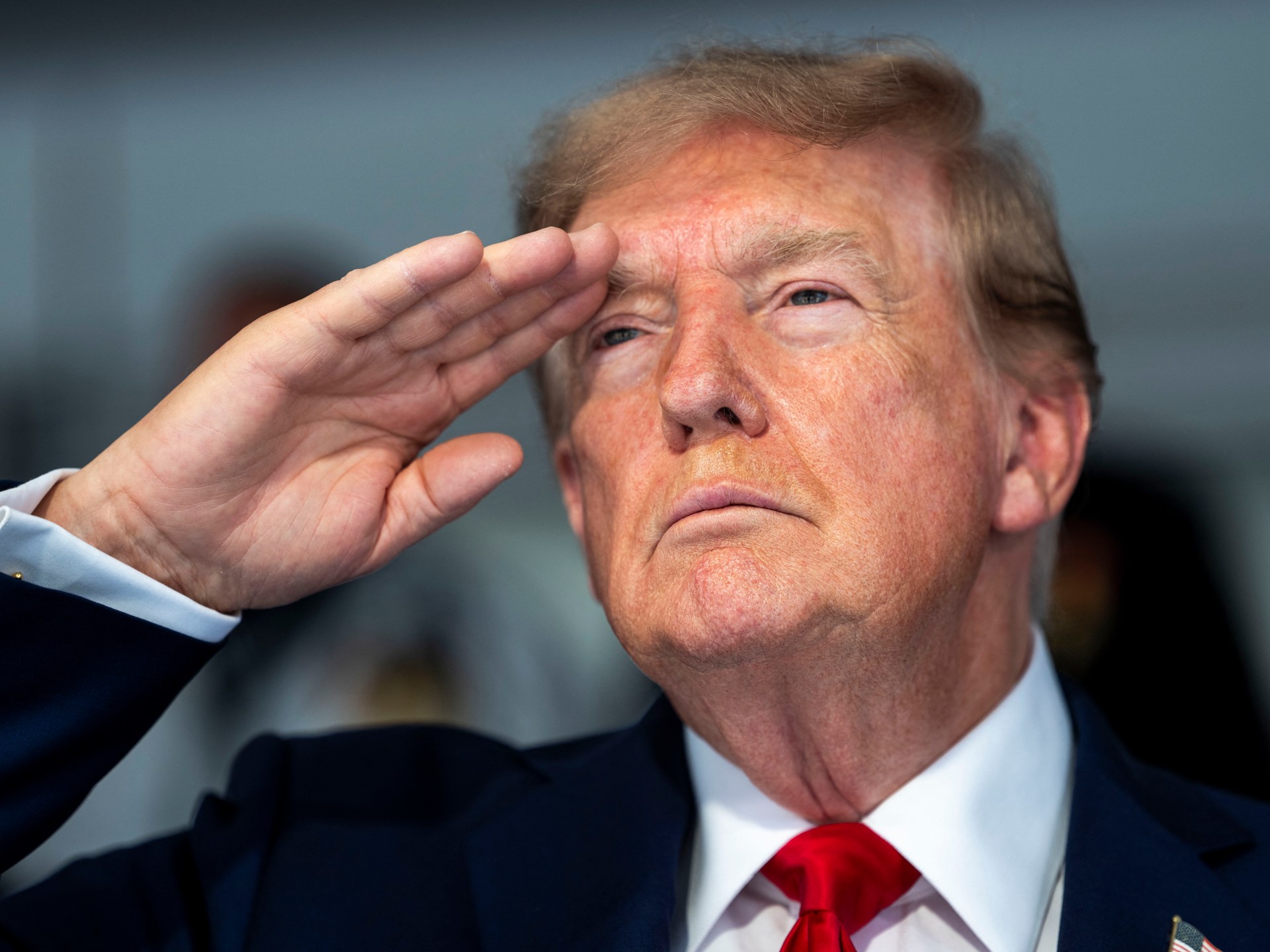
The United States under its current leadership is pursuing policies that diverge markedly from decades of international engagement, reshaping how global governance operates across trade, security, and diplomatic spheres. The administration's approach prioritizes bilateral negotiations over multilateral frameworks, challenges traditional alliance structures, and reasserts unilateral decision-making on matters ranging from climate accords to trade agreements.
This reorientation is prompting widespread reassessment among allied nations and international organizations. Countries across Europe, Asia, and other regions are recalibrating their foreign policies, seeking alternative partnerships, and questioning the reliability of long-standing security commitments. Economic relationships forged through institutions like the World Trade Organization are being renegotiated on nationalistic grounds, disrupting supply chains and forcing businesses to reconsider global sourcing strategies.
The implications extend across multiple domains. International institutions that have anchored global order since 1945 face uncertain futures as the world's largest economy distances itself from consensus-based decision-making. Emerging economies are simultaneously exploring new alignments and cooperation mechanisms independent of traditional Western-led structures.
Observers note that this recalibration marks a significant departure from the post-Cold War era, with consequences that will likely influence international relations for years to come. The extent to which other powers adapt, resist, or create alternative systems of governance remains a central question shaping global affairs.