World · World News Bureau
US Political Campaigns Turn to Micro-Influencers to Sway Midterm Elections
American political campaigns and advocacy groups are leveraging low-cost influencer partnerships to reach voters ahead of midterm elections, paying content creators minimal fees to amplify political messaging through social media.
LSN World News ·
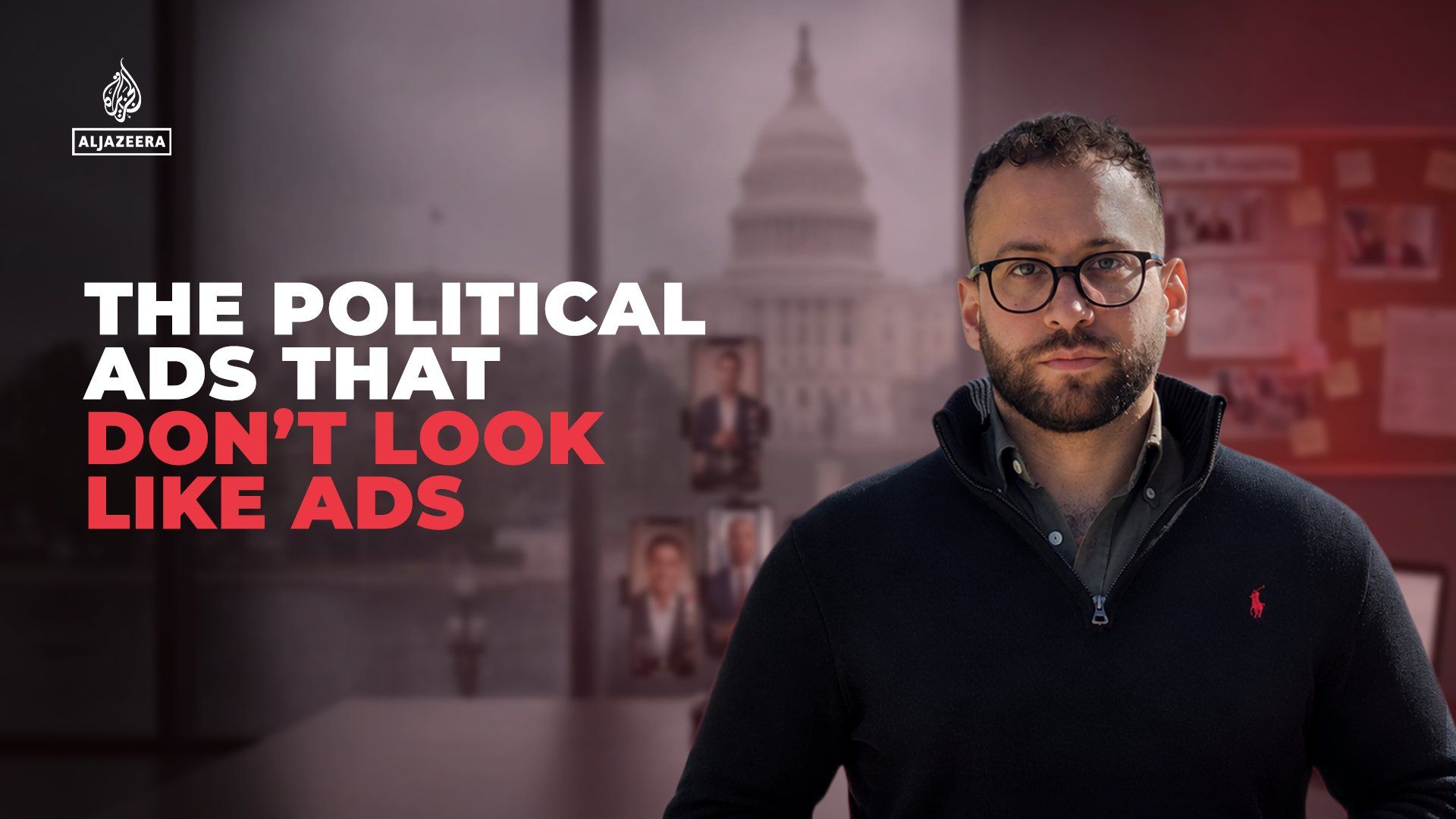
Political operatives in the United States have discovered a cost-effective strategy to influence the 2024 midterm elections: enlisting social media content creators at bargain rates. Campaigns and lobbying organizations are compensating influencers with as little as $25 per post to promote candidates and policy positions across platforms including TikTok, Instagram, and YouTube, circumventing traditional political advertising frameworks.
The practice reflects a broader shift in campaign strategy toward grassroots-appearing content that blurs the line between organic social media engagement and paid political messaging. By working with micro-influencers—creators with smaller but often highly engaged audiences—political organizations can distribute campaign material in formats that resemble personal recommendations rather than formal advertisements, potentially increasing credibility among younger voters.
The approach raises concerns about transparency in political advertising. Influencer-generated content often lacks the clear disclosures required of conventional campaign ads, making it difficult for viewers to recognize the commercial political intent behind posts. Regulatory bodies and watchdog organizations continue to scrutinize these practices as questions persist about whether current disclosure requirements adequately address influencer-driven political messaging.
The strategy underscores how campaigns are adapting to evolving media consumption patterns, particularly among younger demographics who increasingly consume news and information through social platforms rather than traditional media outlets. The low cost of such arrangements enables even candidates with limited budgets to achieve significant reach through distributed networks of content creators.