Politics · World News Bureau
US political establishment faces growing third-party challenge
Political analysts debate whether America's two-party system has lost relevance as voters increasingly seek alternatives. Mounting dissatisfaction with Democrats and Republicans has renewed discussions about the viability of a third major political force.
LSN World News ·
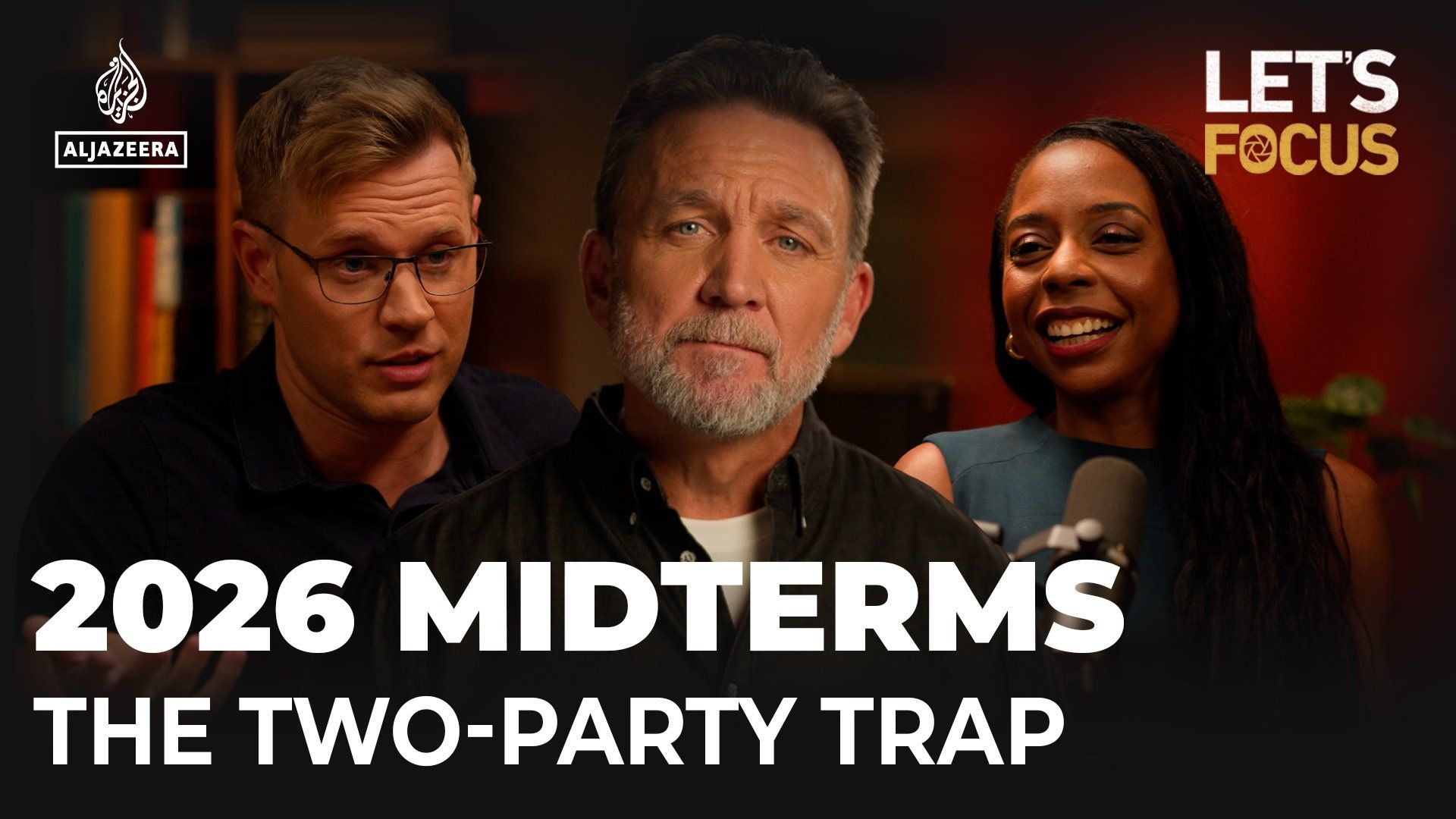
The dominance of the Democratic and Republican parties in American politics faces unprecedented scrutiny as voters express frustration with the existing political establishment. Policy experts and commentators have begun examining whether the traditional two-party framework adequately serves the nation's diverse electorate or whether structural changes are necessary to reflect evolving political preferences.
Voters across the political spectrum have demonstrated openness to alternative candidates and movements outside the major parties, citing concerns about partisan gridlock and the limited range of policy options available within Democratic and Republican platforms. This sentiment reflects broader demographic and ideological shifts that some observers argue the current party system has failed to accommodate.
Proponents of third-party alternatives argue that a more fragmented political landscape could encourage coalition-building and compromise. Skeptics counter that America's electoral structure, particularly the winner-take-all approach to presidential elections, creates significant barriers to third parties gaining meaningful representation or power.
The debate underscores a fundamental question about American democracy: whether the two-party system remains functional in addressing contemporary political divisions, or whether institutional reforms might be needed to ensure representative governance. Policy makers and voters continue to grapple with these questions as discontent with traditional parties persists.