Politics · India Bureau
US political shifts, Israeli deadlock cloud Iran strategy outlook
Domestic political complications in both the United States and Israel are raising questions about the future direction of regional Iran policy, with implications for broader Middle Eastern stability.
LSN India ·
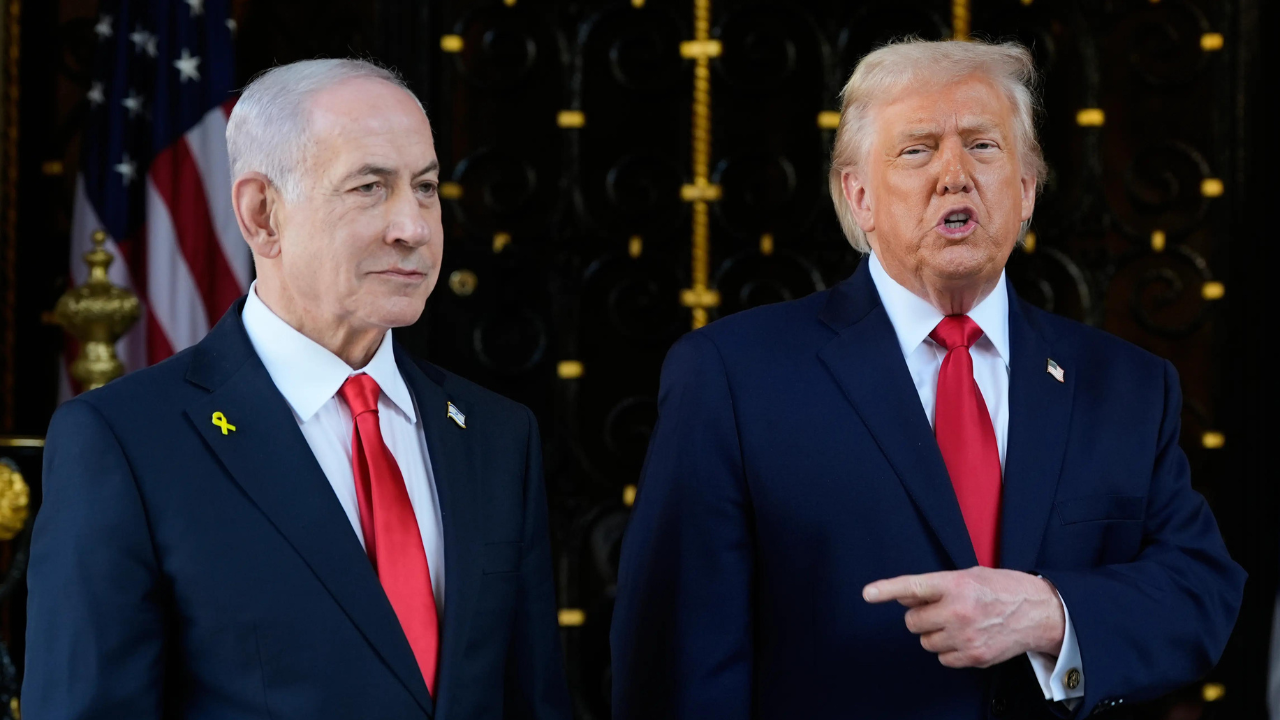
Political developments in Washington and Jerusalem are creating uncertainty around the trajectory of US-Israel coordination on Iran-related matters. Congressional dynamics in the United States have shifted, while Israeli Prime Minister Benjamin Netanyahu faces constraints on the domestic front, potentially limiting unified decision-making between the two allies on regional security issues.
The political complications emerge at a critical juncture for Middle East policy, where Iran's nuclear programme and regional activities remain central concerns for Washington and Tel Aviv. Analysts note that policy implementation typically requires domestic political consensus, which appears increasingly difficult to secure in both capitals at present.
The situation underscores how internal political considerations in major regional powers can significantly influence foreign policy trajectories. Observers are closely monitoring how these domestic developments might shape bilateral coordination and broader regional strategy in coming months.
For India and other regional stakeholders, the evolving US-Israel political landscape carries implications for the broader security environment in Asia-Pacific and the Middle East, given interconnections between regional stability and global strategic competition.