World · World News Bureau
US pressure campaign on Iran shows signs of shifting regional balance
Six months into intensified sanctions and diplomatic pressure, the United States appears to be gaining leverage over Iran, though analysts caution that fundamental strategic challenges remain unresolved.
LSN World News ·
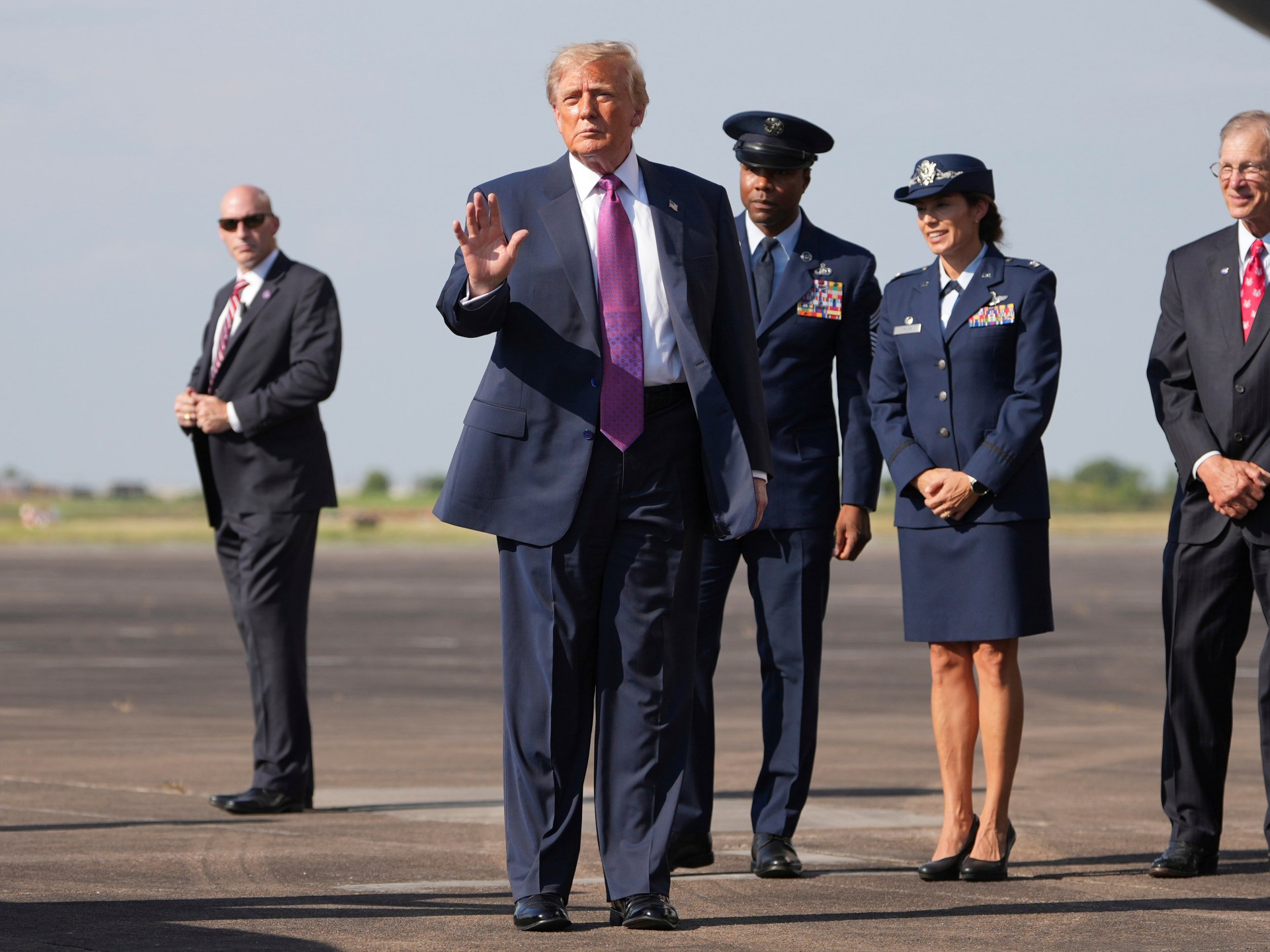
The Trump administration's hardline approach toward Tehran is producing measurable effects on Iran's economy and regional posture, according to observers tracking developments in the Middle East. Through a combination of reimposed sanctions, military positioning, and coordinated diplomatic messaging, Washington has increased constraints on Iranian officials and limited their room for maneuver across multiple fronts.
Iran's currency has faced sustained pressure, foreign investment has contracted, and the Islamic Republic's ability to project power through allied militias and proxies has been constrained by financial limitations. Regional allies of the United States, particularly in the Gulf, have taken confidence from what they perceive as a more assertive American position following months of uncertainty about US commitment to the region.
However, experts warn that tactical gains do not necessarily translate into strategic victory. Iran continues to maintain significant influence in Iraq, Syria, and Lebanon, and has shown resilience in adapting to economic pressure through alternative trade networks and resource management. The underlying drivers of regional tension—including disputes over nuclear capability, proxy conflicts, and competing visions for Middle Eastern order—remain fundamentally unresolved.
Diplomats and analysts suggest that sustained pressure may eventually push Tehran toward negotiations, though the conditions under which meaningful talks might occur remain unclear. The calculus depends heavily on whether Iran's leadership perceives negotiation as preferable to continued resistance, a determination that will likely emerge only over an extended period.