World · World News Bureau
US rate hike outlook weighs on Asian currencies; yen hits 34-year low
Expectations of further Federal Reserve rate increases are pressuring regional currencies lower, with the Japanese yen sliding near the 160 per dollar mark, its weakest level in more than three decades.
LSN World News ·
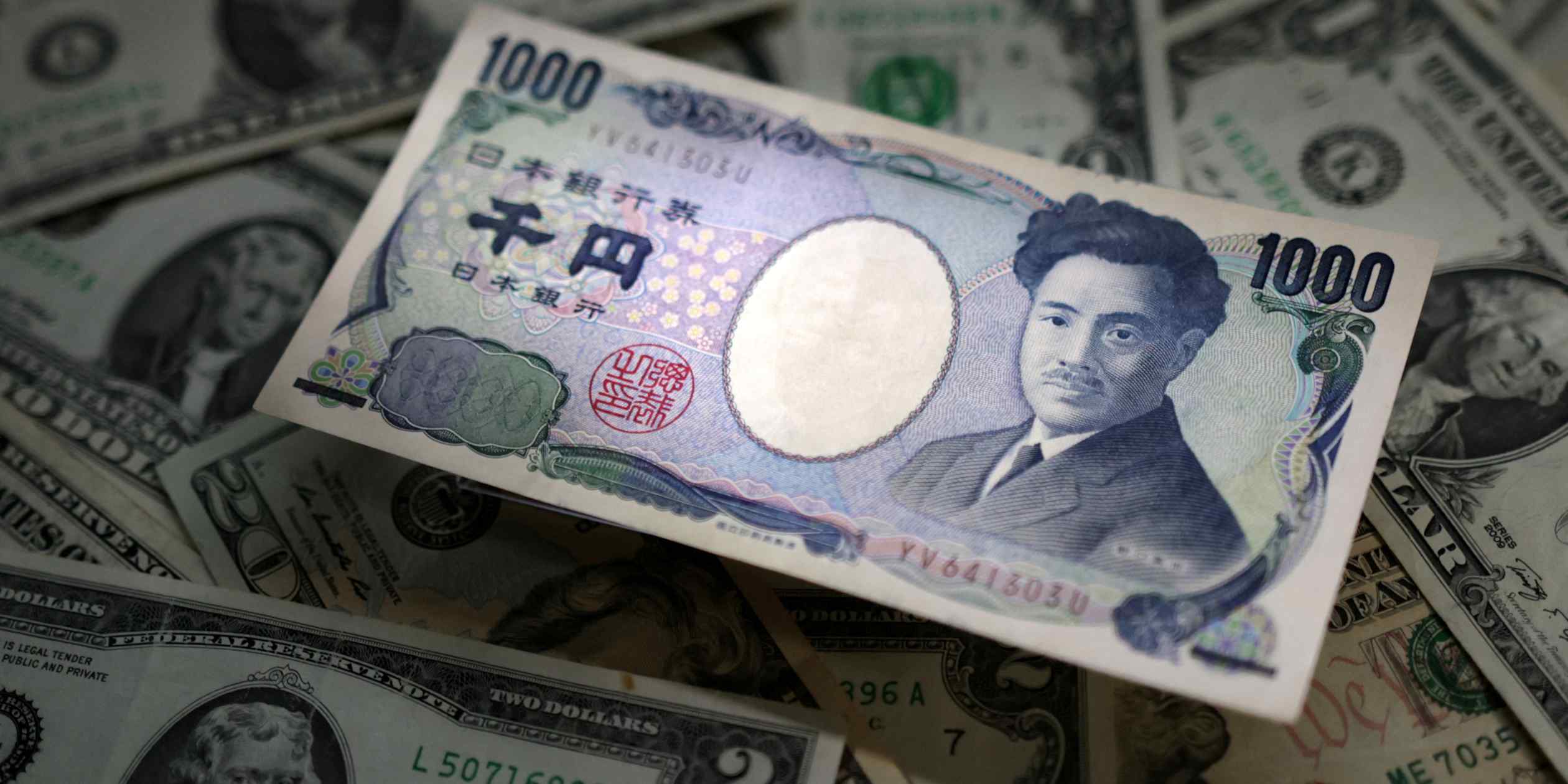
Asian currencies retreated across the board Wednesday as investors reassessed the outlook for US monetary policy, with the prospect of higher interest rates for longer underpinning the dollar's strength in regional markets.
The Japanese yen fell to near 160 per dollar, approaching levels not seen since 1990, as the widening interest rate differential between the United States and Japan made dollar-denominated assets increasingly attractive to carry traders. The yen's weakness, driven by the Bank of Japan's accommodative stance, contrasted sharply with the Federal Reserve's apparent resolve to maintain elevated rates.
Beyond Japan, other regional currencies including the South Korean won, Thai baht, and Philippine peso all registered declines against the dollar as risk appetite diminished and investors rotated toward higher-yielding US assets. The broad-based weakness reflected growing conviction among market participants that the Fed would keep rates elevated through the coming months, supporting dollar strength.
Analysts noted that the combination of Fed tightness and divergent monetary policies elsewhere in Asia created structural headwinds for regional currencies. While some central banks in Southeast Asia have begun raising rates, the pace of increases lags behind the Federal Reserve's hiking cycle, maintaining the interest rate advantage favoring dollar holdings.
The currency moves come as regional economies grapple with imported inflation and the challenge of balancing rate increases against growth concerns. The weakness in the yen and other Asian currencies may provide some export competitiveness benefits but risks driving up import costs and inflation pressures across the region.