Business · Malaysia Bureau
US sanctions squeeze Iran's fuel supplies as domestic output falls short
Iran faces mounting petrol shortages as American sanctions restrict imports while domestic production remains insufficient to meet national demand. Officials say fuel subsidy policies are exacerbating supply challenges.
LSN Malaysia ·
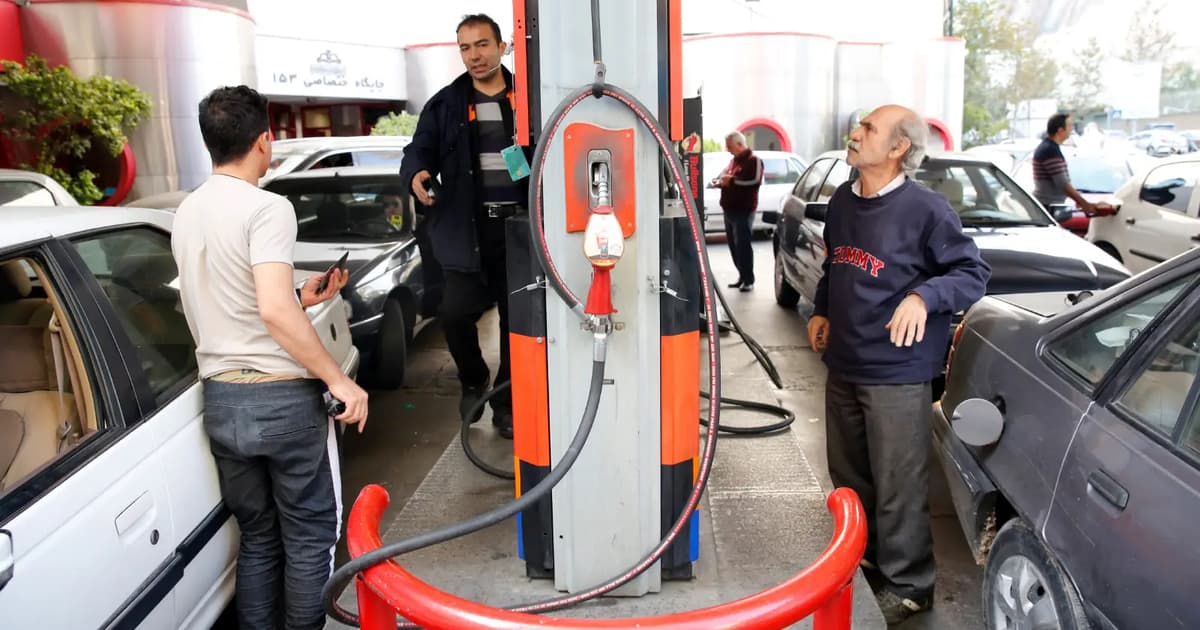
Iran is grappling with severe petrol shortages as American economic sanctions limit the country's ability to import fuel, even as domestic refineries struggle to keep pace with demand. Iranian authorities have acknowledged that local production capacity is inadequate to sustain the nation's energy needs, leaving the country increasingly vulnerable to supply disruptions.
The US blockade has effectively cut off Iran's access to international fuel markets, preventing the country from supplementing domestic output through imports—a critical lifeline during periods of refinery maintenance or when production falls below consumption levels. This constraint has intensified pressure on the country's energy infrastructure.
Adding to the complexity, Iran's fuel subsidy system is said to be widening supply gaps. Officials argue that blanket subsidies disproportionately benefit vehicle owners with multiple cars, inflating consumption and straining already limited resources. The subsidy structure creates perverse incentives that boost demand precisely when supplies are most constrained.
The confluence of sanctions, production shortfalls, and subsidy distortions has created a perfect storm for Iran's energy sector, with ordinary citizens facing rationing and longer queues at petrol stations. Policymakers are under mounting pressure to address both the external constraints imposed by sanctions and the domestic structural issues that amplify the crisis.