World · Malaysia Bureau
US sanctions strategy showing signs of impact on Iran's economy
Iran faces mounting economic pressure as new American sanctions and blockade measures tighten their grip on the Islamic Republic. The latest restrictions represent a significant shift in Tehran's ability to navigate international financial systems.
LSN Malaysia ·
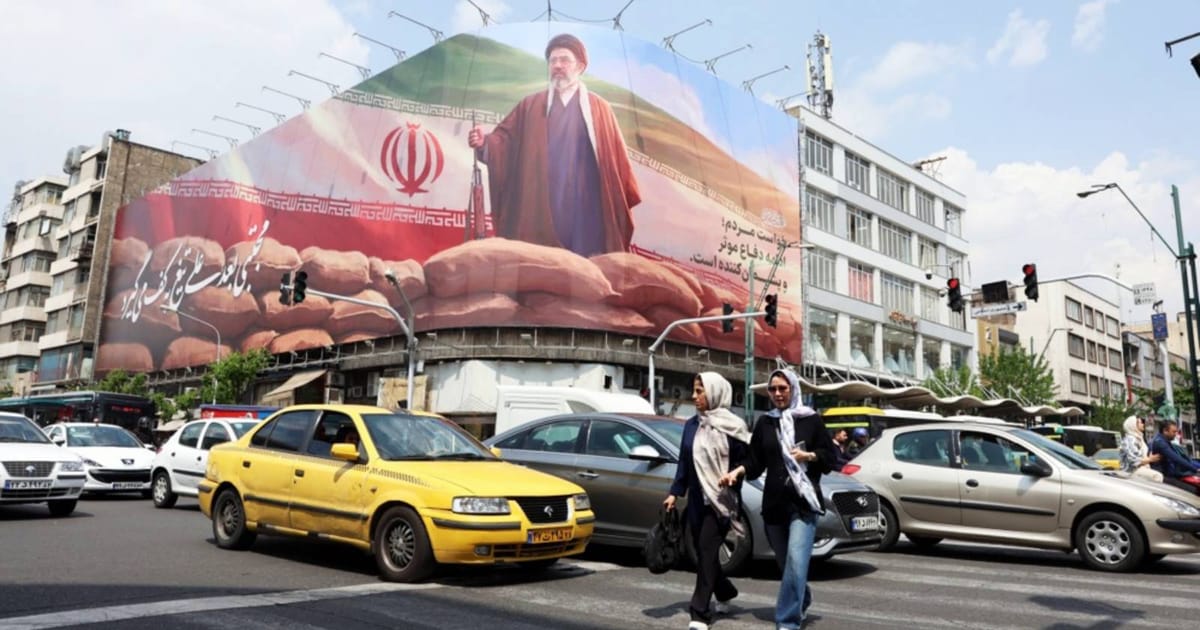
Iran's government has historically demonstrated considerable resilience in circumventing international sanctions, employing various mechanisms to maintain economic activity despite decades of restrictions. However, recent US policy measures have substantially altered the calculus, placing Iranian officials in an increasingly precarious position as financial isolation deepens.
The cumulative effect of expanded sanctions regimes has constrained Tehran's access to critical sectors including energy exports, banking operations, and international trade. These restrictions have created cascading challenges across Iran's economy, affecting currency stability, inflation levels, and domestic purchasing power in ways that previous measures had not fully achieved.
While Iranian policymakers have repeatedly announced strategies to counter external economic pressure through regional partnerships and alternative trade channels, observers note that the scope and coordination of current restrictions have limited such workarounds. The blockade's effectiveness stems partly from broader enforcement mechanisms that have made it increasingly difficult for third parties to engage in transactions without facing secondary sanctions.
The economic strain has prompted concerns among analysts about potential social and political ramifications within Iran, though government officials maintain their commitment to resisting external pressure. The situation underscores how comprehensive sanctions architecture, when coordinated across multiple jurisdictions, can significantly constrain even relatively isolated economies that have previously adapted to such measures.