World · World News Bureau
US secondary sanctions strategy targets Iran's trading partners
Washington has renewed threats of imposing secondary sanctions on countries that maintain trade relationships with Iran, a leverage tool that extends penalties beyond the primary target. The strategy aims to isolate Tehran by penalizing third parties engaged in commerce with the sanctioned nation.
LSN World News ·
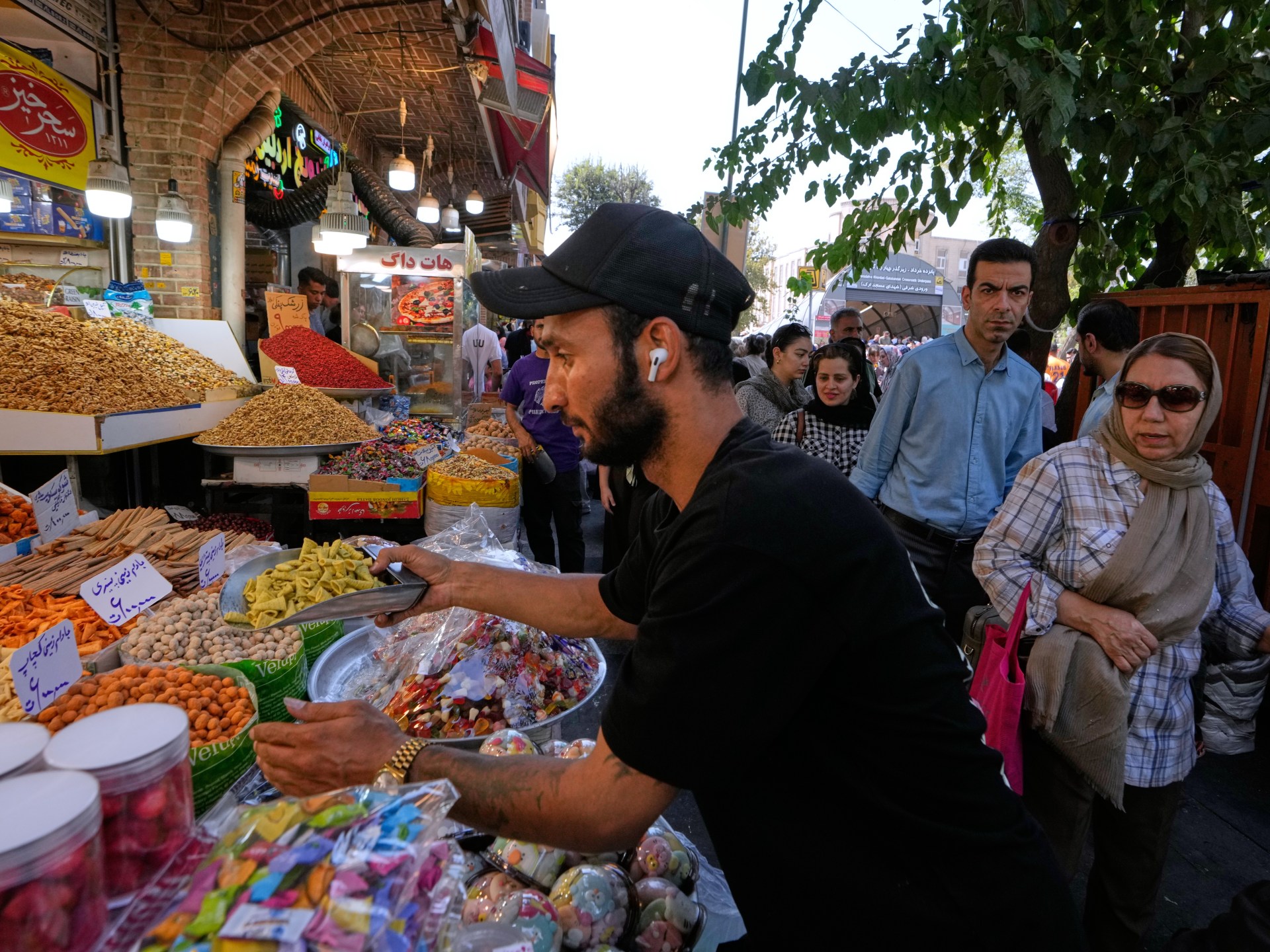
Secondary sanctions represent a sophisticated enforcement mechanism in which the United States penalizes foreign entities—including businesses, financial institutions, and governments—that conduct trade with a country already under primary sanctions. Unlike direct sanctions that target a specific nation, this approach creates a broader compliance burden by forcing international actors to choose between accessing US markets and maintaining business with the sanctioned state.
The mechanism has become a cornerstone of American economic pressure campaigns. By threatening to exclude foreign companies and countries from dollar-denominated transactions, access to US financial systems, and participation in American commerce, Washington effectively pressures third parties to abandon their commercial ties with sanctioned nations. This creates a cascading effect that amplifies the isolation of the target country beyond direct bilateral restrictions.
Iran has been a primary focus of such measures, particularly following the US withdrawal from the Joint Comprehensive Plan of Action nuclear agreement in 2018. Washington has repeatedly warned trading partners, including European nations and Asian economies, that continued business with Tehran could result in sanctions designations. The strategy has proven effective in deterring some international trade, though European Union members and others have occasionally challenged the legality and scope of such secondary measures.
The effectiveness of secondary sanctions depends significantly on the enforcement capacity and political will of the sanctioning power. As the world's largest economy and home to the global financial system's primary currency, the United States possesses considerable leverage. However, countries seeking to maintain strategic or economic relationships with sanctioned nations sometimes accept the risk of secondary sanctions or seek alternative payment mechanisms and trade routes to circumvent restrictions.