Politics · India Bureau
US seeks to curtail birthright citizenship for diplomats' children
The United States is moving to restrict automatic citizenship rights for children born to foreign government employees on American soil, marking a significant shift in immigration policy. The proposed change could affect thousands of families with diplomatic ties.
LSN India ·
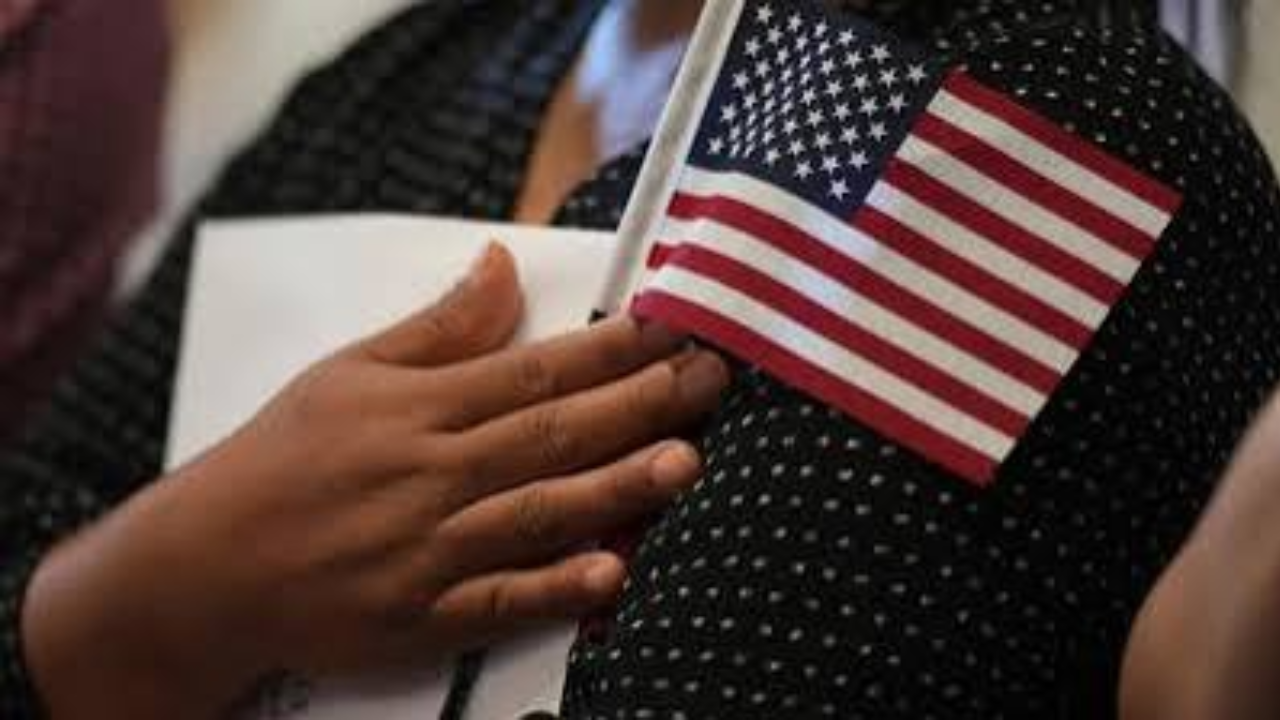
The United States administration has initiated steps to limit birthright citizenship for children born to foreign government officials and employees within its borders, challenging a longstanding immigration principle.
Under current US law, children born on American territory automatically receive citizenship regardless of their parents' immigration status or diplomatic standing. The proposed restriction would exclude offspring of foreign government representatives from this automatic entitlement, requiring them to meet additional criteria for citizenship eligibility.
The policy shift targets diplomats, consular staff, and employees of foreign governments who are present in the United States. Officials argue the change aims to clarify citizenship rules and prevent potential misuse of birthright provisions. However, the proposal has raised concerns among immigrant advocacy groups and international observers regarding its broader implications for families with government connections.
The move reflects ongoing debate within the United States over immigration and citizenship policies. International law has long recognized certain exemptions for diplomatic personnel, but this initiative seeks to extend those principles to citizenship matters. Legal experts note the change would require navigating complex constitutional questions regarding citizenship rights guaranteed by the 14th Amendment.
The exact timeline and implementation details of the restriction remain unclear as the proposal continues through the policy review process. The measure is expected to generate significant discussion among lawmakers, legal scholars, and foreign governments with representatives in the United States.