World · Singapore Bureau
US-South Korea tensions flare over wartime command control transfer timeline
A senior US military official has cautioned against expediting the transfer of wartime operational control to Seoul, citing concerns over North Korea's evolving military capabilities. The disagreement underscores deeper tensions within the alliance as South Korea pursues regaining full command authority by 2030.
LSN Singapore ·
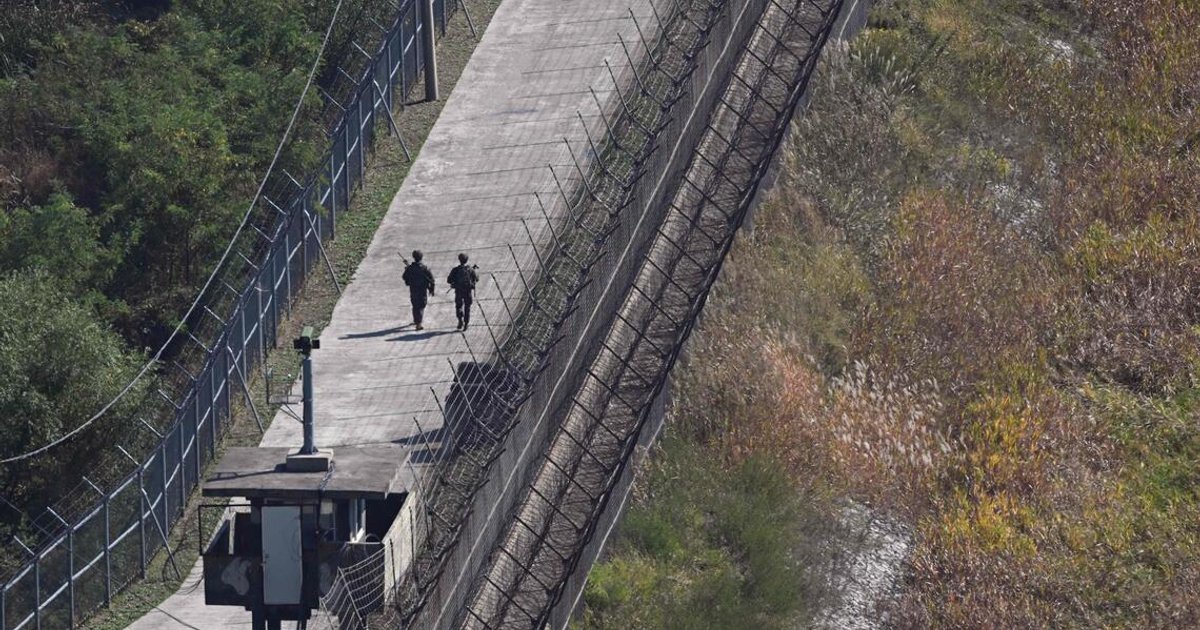
The commander of US Forces Korea has warned against accelerating the handover of wartime operational control to South Korean command, citing persistent and evolving threats from North Korea. The cautionary stance reflects growing friction within the longstanding alliance, with Seoul committed to reclaiming full command authority over its armed forces by 2030, while Washington remains concerned about readiness and capability gaps.
The dispute highlights fundamental disagreements over military readiness and the pace of transition. South Korea views the 2030 target as essential to national sovereignty and has invested heavily in modernizing its defense capabilities. However, US military leadership has expressed reservations about whether Seoul's forces are sufficiently prepared to assume complete operational control during potential conflict scenarios.
North Korea's recent weapons development and evolving military doctrine have added urgency to the debate. The regime's expanded nuclear arsenal and advanced missile systems have complicated assessments of what operational independence would entail for South Korea, with US officials warning that premature transition could compromise alliance effectiveness during a crisis.
The disagreement reflects broader questions about the future of the US-South Korea partnership at a time when both countries face shifting geopolitical dynamics in the region. Seoul's push for autonomy reflects nationalist sentiment and confidence in its military development, while Washington seeks to maintain influence over Korean peninsula security arrangements. Officials from both countries are expected to continue negotiations on the timeline and conditions for the operational control transfer.