World · India Bureau
US state considers livestreaming firing squad execution globally
A US state is exploring plans to broadcast an execution by firing squad online, marking a significant shift in how capital punishment is witnessed. The move has reignited debates about transparency, human rights, and the role of media in documenting state-sanctioned executions.
LSN India ·
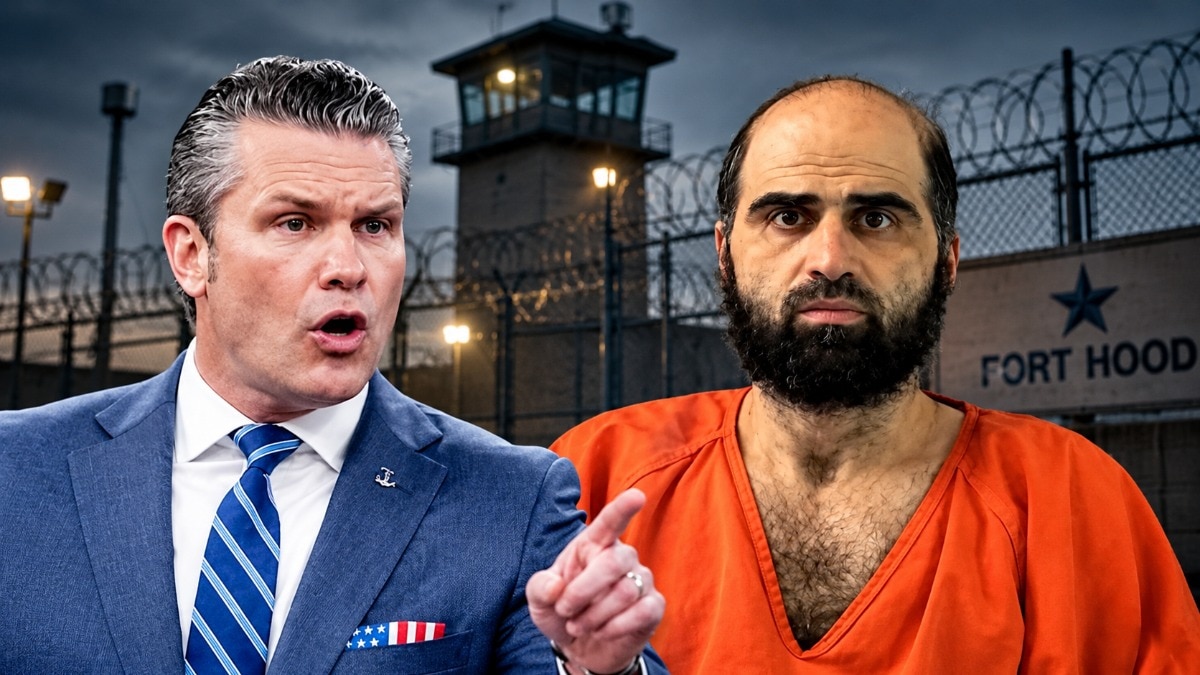
The proposal to livestream a firing squad execution represents an unprecedented step toward public transparency in US capital punishment proceedings. Historically, executions have been witnessed by a limited number of invited observers including media representatives, family members, and officials. A livestream would dramatically expand the potential audience to millions worldwide, fundamentally changing how the American public and international observers engage with the practice.
Proponents of the measure argue that transparency serves the interests of justice and accountability. By allowing widespread public viewing, supporters contend the state can demonstrate that executions are conducted humanely and according to legal protocols. They suggest that broadcasting executions removes the cloak of secrecy that has long surrounded capital punishment and allows citizens to witness the full consequences of state-ordered death penalties.
The proposal has drawn sharp criticism from human rights organizations and death penalty abolitionists, who argue that livestreaming executions would constitute exploitation and sensationalism of human death. Critics worry that global broadcast could turn executions into spectacle, potentially violating international standards on human dignity. They contend that public execution—whether in-person or virtual—harkens back to historical practices largely abandoned by modern democracies.
The initiative reflects broader tensions in American criminal justice between demands for transparency and concerns about the psychological and ethical implications of commodifying state-sanctioned death. As capital punishment remains controversial both domestically and internationally, India and other nations continue their own evolving debates on criminal justice, sentencing practices, and the appropriate role of public scrutiny in legal proceedings.