Culture & Entertainment · Vietnam Bureau
US Students Abandon Traditional Degrees for Faster Career Pathways
American higher education is undergoing a significant shift as students increasingly favor shorter, career-focused credentials over traditional four-year bachelor's degrees. The trend reflects growing concerns about education costs and the need for immediate employment prospects.
LSN Vietnam ·
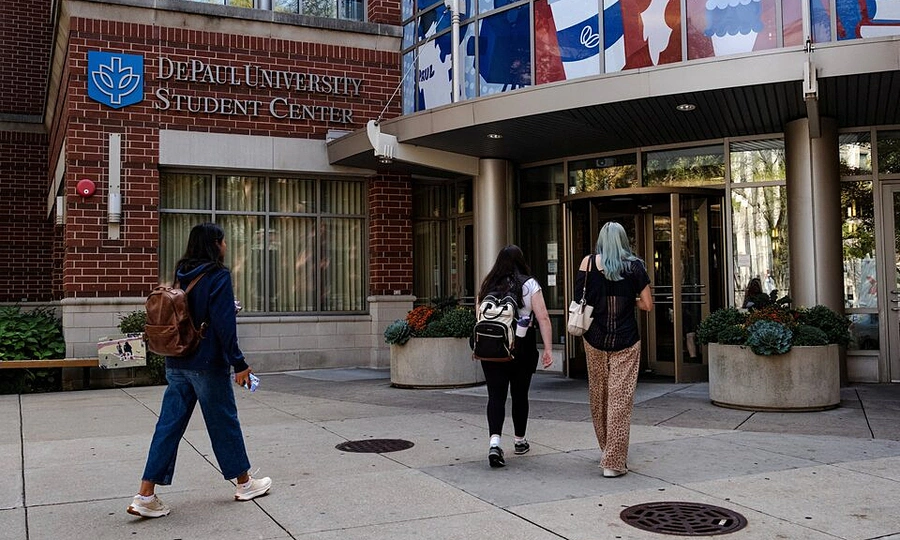
United States colleges are witnessing a notable demographic change in student enrollment patterns, with more Americans opting for alternative educational credentials rather than conventional bachelor's degree programs. This shift indicates changing priorities among prospective students who are weighing the financial burden of extended higher education against the practical need for quick entry into the job market.
Shorter, specialized programs—including certificate courses, diploma programs, and industry-recognized credentials—have gained traction as viable alternatives to four-year degrees. These options typically require significantly lower tuition investments and can be completed in months rather than years, allowing graduates to begin earning sooner and reducing overall education debt.
Educational analysts attribute the transition to multiple economic factors, particularly the rising cost of tertiary education and persistent student loan burdens affecting previous generations. Employers' increasing willingness to hire candidates with specific technical skills rather than traditional degrees has also encouraged students to pursue more targeted training in high-demand fields such as technology, healthcare, and skilled trades.
While interest in higher education itself remains strong among American students, the preference for flexibility and affordability has prompted educational institutions to expand their offerings of non-traditional programs. This evolution suggests the traditional bachelor's degree may no longer remain the dominant pathway for all students seeking professional advancement and economic stability.