World · World News Bureau
US Sudan strategy backfires as diplomatic pressure isolates Washington
American efforts to pressure Sudan's military leadership have yielded unintended consequences, leaving the United States increasingly isolated in regional diplomacy while prospects for a ceasefire recede further. The strategy, designed to constrain the army's actions, has instead hardened positions on all sides.
LSN World News ·
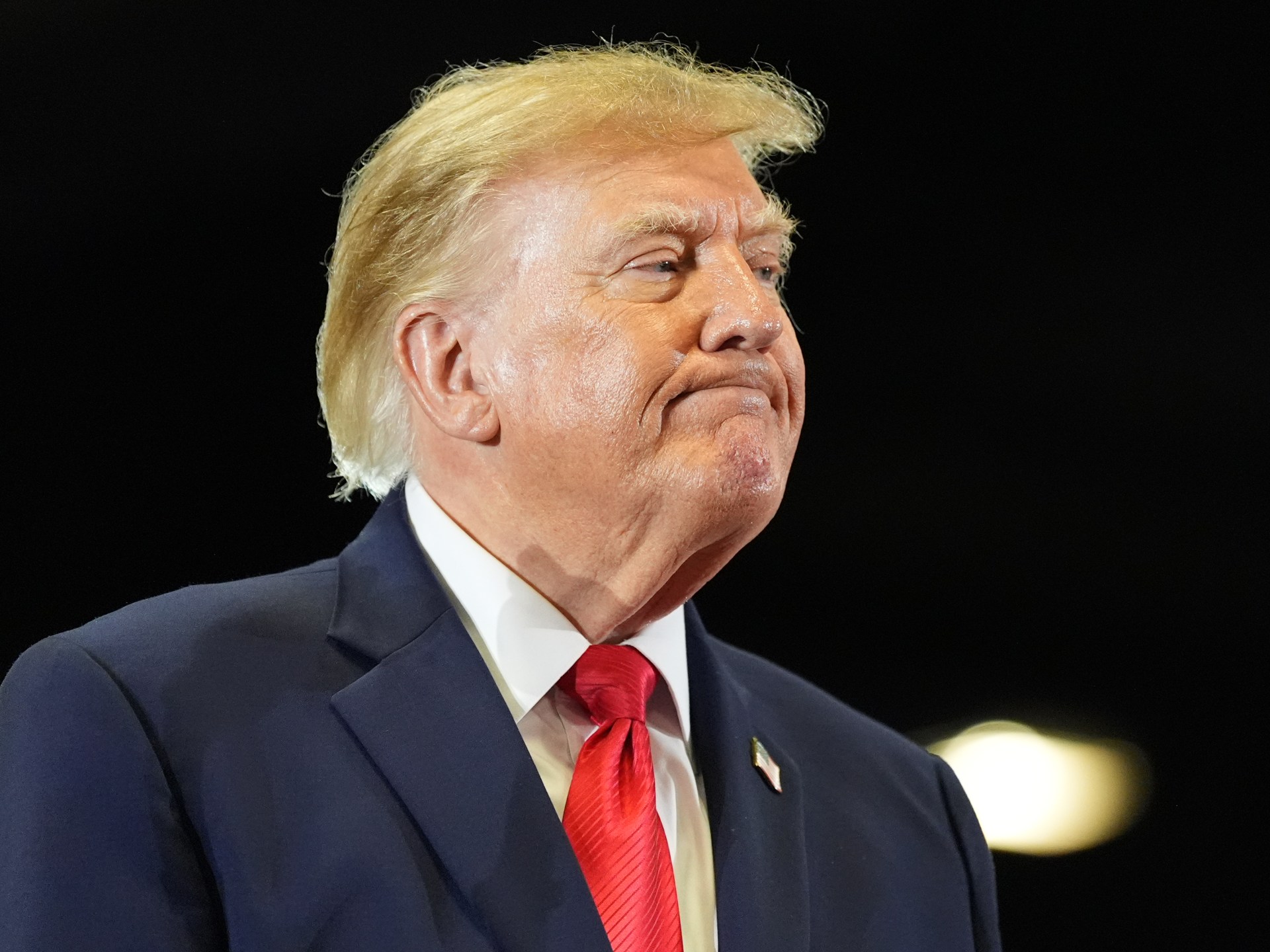
Washington's approach to Sudan's conflict has encountered significant headwinds, with diplomatic initiatives meant to isolate the Sudanese Armed Forces producing the opposite effect. Rather than weakening the military's negotiating position, the pressure campaign has consolidated regional and international alignments against American interests, complicating efforts to broker a lasting settlement.
The administration's strategy relied on coordinated pressure from Western partners and regional actors to force the army leadership toward compromise. However, key stakeholders have declined to align with the American approach, leaving Washington without sufficient coalition support to influence outcomes on the ground. This diplomatic miscalculation has weakened the United States' ability to shape negotiations independently.
Meanwhile, the military and opposition forces show little inclination toward the negotiating table. The breakdown in diplomatic momentum has coincided with reports of intensified hostilities, suggesting that any ceasefire framework has moved further from reach. Regional powers have pursued parallel tracks that diverge from American preferences, effectively sidelining Washington from substantive peace efforts.
Analysts suggest the administration must recalibrate its approach, focusing on building consensus among regional partners rather than imposing external pressure. Without a coordinated multilateral framework that accounts for the interests of key stakeholders, prospects for a negotiated settlement appear increasingly distant. The current trajectory suggests Sudan's conflict will continue absent a fundamental shift in diplomatic strategy.