Politics · India Bureau
US tax fraud losses could exceed $300 billion annually: GAO
The US Government Accountability Office has estimated that federal tax fraud costs the American government between $116 billion and $304 billion each year, based on analysis of recent data. The wide range underscores the difficulty in precisely quantifying tax evasion across the country.
LSN India ·
A comprehensive review by the Government Accountability Office, the investigative arm of the US Congress, has revealed the staggering scale of tax fraud plaguing American federal finances. Using data spanning from 2018 through 2024, the agency calculated that annual losses from tax fraud could range from $116 billion to $304 billion, representing a significant drain on government revenues.
The substantial variance in the estimate reflects the inherent challenges in tracking and quantifying tax evasion across millions of individual and corporate filers. Tax fraud encompasses a broad spectrum of violations, from underreported income and inflated deductions to more sophisticated schemes involving offshore accounts and shell corporations. The upper end of the GAO's estimate suggests that tax fraud could potentially represent one of the largest sources of revenue loss for the federal government.
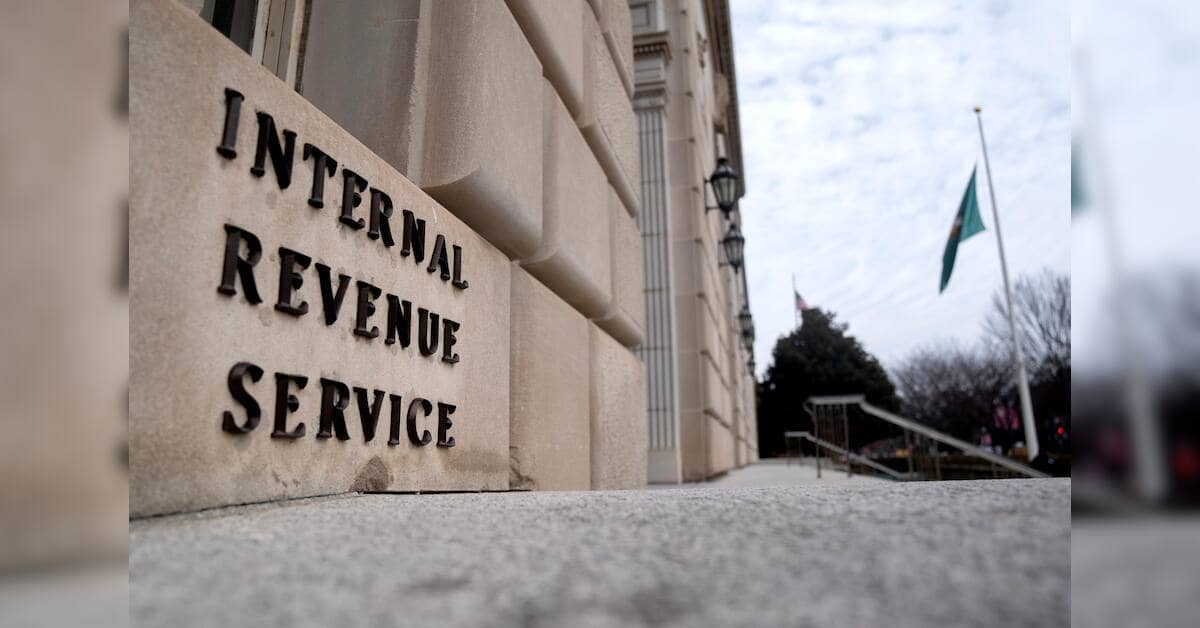
These findings come as the US Internal Revenue Service continues to grapple with resource constraints and an aging technological infrastructure. The agency has faced budget limitations that have reduced its audit capacity in recent years, potentially creating an environment where some tax violations go undetected. Tax experts have highlighted that increased funding for enforcement and modernization of tax administration systems could help close the gap between taxes owed and taxes collected.
The GAO's report underscores the importance of addressing tax compliance issues as policymakers consider broader fiscal priorities. Officials have noted that even modest improvements in tax collection rates could yield billions of dollars in additional revenue without raising tax rates on compliant taxpayers. The findings are likely to inform ongoing Congressional debates about tax policy and resource allocation to enforcement agencies.