Business · World News Bureau
US tightens AI chip export controls to Southeast Asia, Brazil
The Trump administration has moved to restrict exports of advanced artificial intelligence chips to Malaysia, Thailand, Indonesia, Singapore and Brazil, requiring new licensing procedures for technology transfers to the region.
LSN World News ·
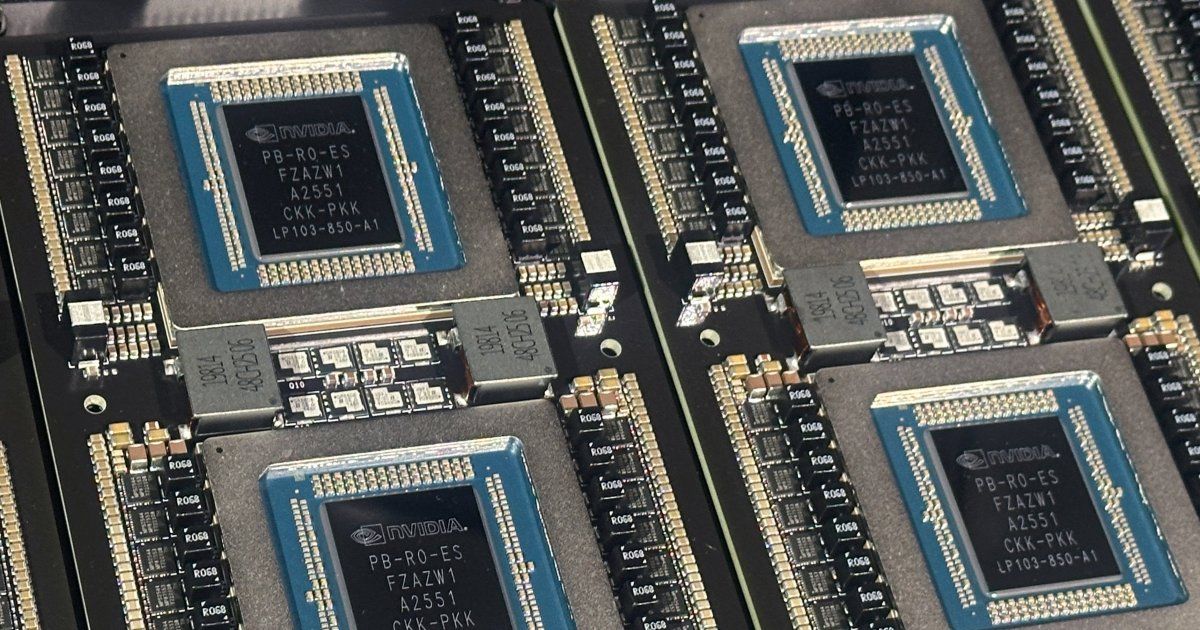
The United States has introduced fresh export licensing requirements for advanced artificial intelligence semiconductors destined for Malaysia, Thailand, Indonesia, Singapore and Brazil, marking an escalation in Washington's efforts to limit China's access to cutting-edge computing technology.
The measure targets the remote provision and configuration of high-performance chips, addressing concerns that sophisticated AI technology could be diverted to unauthorized end-users through transshipment hubs or intermediary routes. The move reflects broader anxieties within the Biden and Trump administrations about maintaining technological advantage amid intensifying competition with Beijing.
The five nations affected by the new controls serve as critical trade nodes and manufacturing centers in South and Southeast Asia. Singapore in particular has emerged as a major hub for semiconductor distribution and technology services in the region, while other listed countries have expanded their roles in global supply chains.
The licensing requirement follows previous restrictions implemented by Washington on AI chip exports, which have already constrained sales of Nvidia's most powerful processors and other advanced semiconductors to China and certain other nations. Industry analysts suggest the expanded framework signals U.S. determination to prevent circumvention of existing controls through alternate routes.
While the administration has not explicitly tied the new measures to specific incidents, the move arrives amid ongoing scrutiny of how advanced technology flows through Asian markets and concerns about compliance with existing export regulations governing sensitive semiconductor technology.