Culture & Entertainment · India Bureau
US tightens green card eligibility with stricter welfare benefits rules
The United States has expanded its public charge test for permanent residency, making prior use of government assistance programmes a significant factor in immigration decisions. The new guidance considers benefit usage alongside income, assets and other criteria in determining green card eligibility.
LSN India ·
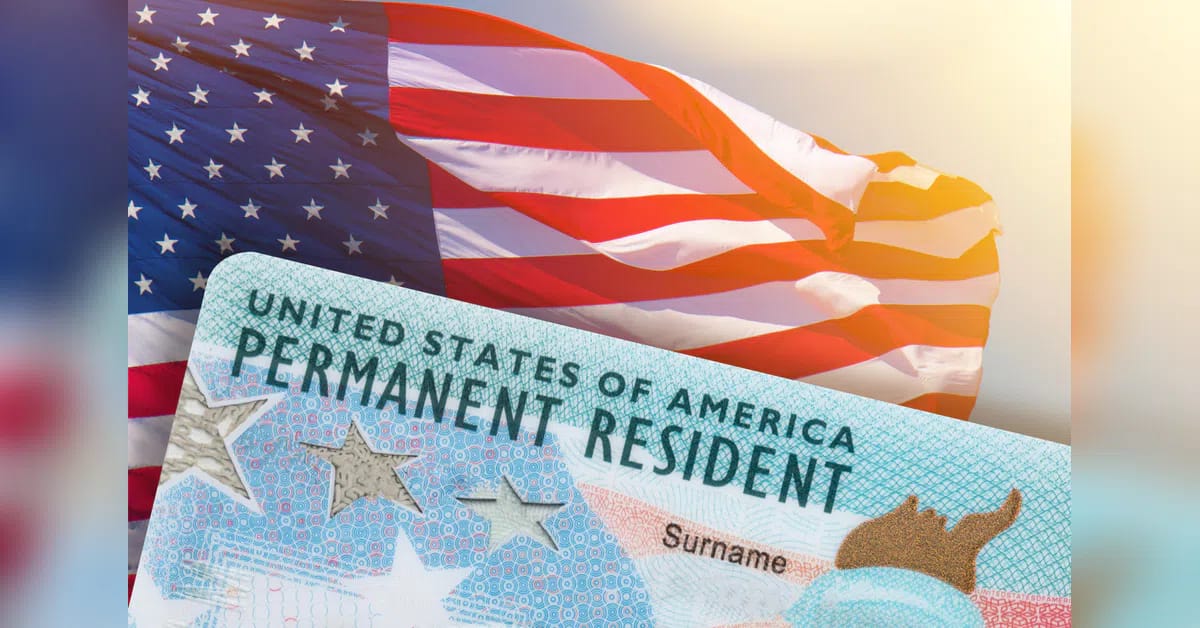
The US immigration system has adopted stricter criteria for evaluating permanent residency applications, with heightened scrutiny on applicants' use of public benefits programmes. Under the revised public charge test, immigration officials will now weigh an applicant's history of utilising programmes such as Medicaid and food assistance more heavily when assessing visa and green card petitions.
The expanded framework takes into account multiple factors beyond income and assets when determining whether an applicant might become dependent on government support. Prior reliance on welfare benefits, even if the applicant currently meets income thresholds, is now considered a significant indicator in the overall evaluation process.
This development represents a substantial shift in US immigration policy, potentially affecting millions of individuals seeking permanent residency. The stricter approach to public benefit usage aligns with the broader policy direction of requiring applicants to demonstrate greater financial self-sufficiency and independence from state assistance.
Indian nationals and other immigrant communities seeking US permanent residency will need to carefully document their financial status and benefit histories, as the cumulative assessment has become more comprehensive. Immigration attorneys advise prospective applicants to review their records and understand how any previous assistance programme participation might influence their visa applications under the new guidelines.