World · Singapore Bureau
US Tightens Scrutiny on Transshipments; Singapore Sees Opportunity
Washington's crackdown on goods rerouted through third countries to evade tariffs has intensified regulatory pressure globally. Analysts suggest Singapore could leverage stricter compliance standards to strengthen its position as a trusted logistics hub.
LSN Singapore ·
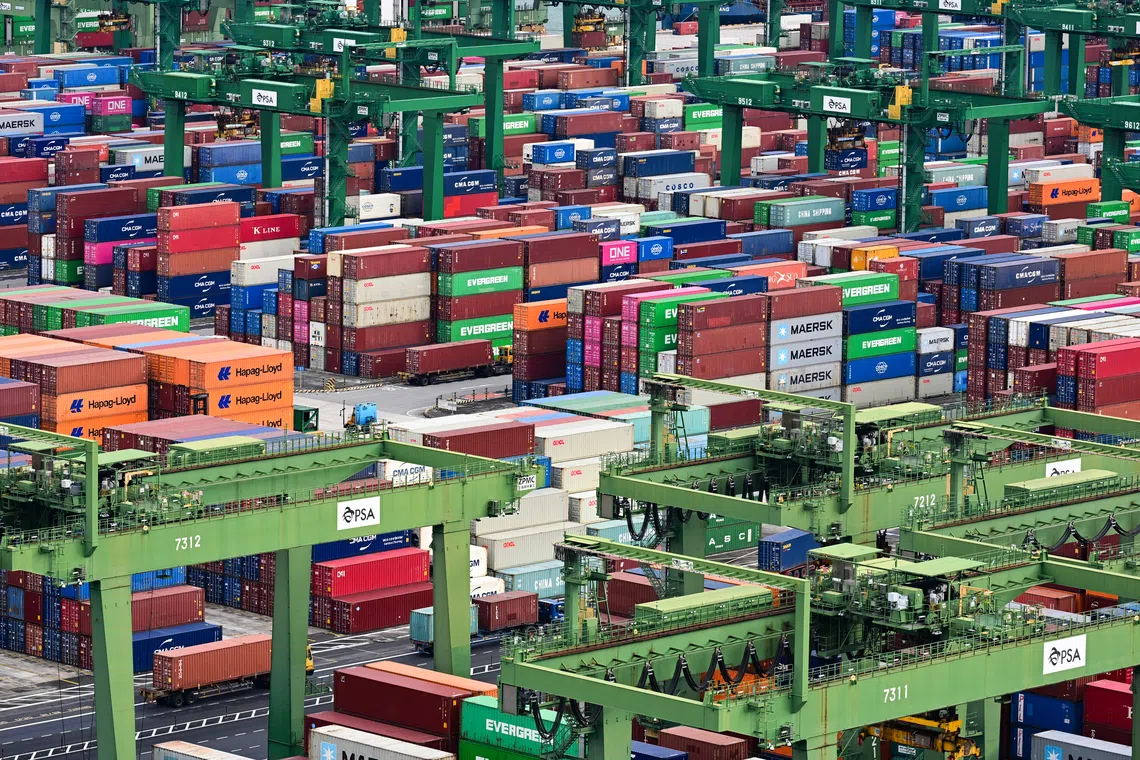
The United States has escalated its campaign against transshipment practices, labelling the rerouting of goods through intermediary countries as a mechanism to circumvent trade restrictions and tariffs. The practice, which involves reshipping products through alternative routes to obscure their origin or circumvent duties, has drawn particular attention from US trade authorities seeking to enforce compliance with sanctions and trade agreements.
Firms resort to transshipment for several commercial reasons. Companies use the strategy to reduce tariff costs by routing goods through jurisdictions with favourable trade agreements, to obscure supply chain origins, or to navigate restrictions on direct trade with certain nations. Singapore's position as a major regional transshipment hub—handling roughly one-third of global maritime trade—makes it a focal point in these international supply chains.
For Singapore, the intensifying US scrutiny presents both challenges and strategic opportunities. Stricter enforcement globally could disrupt established transshipment flows through the port. However, industry observers note that Singapore's advanced regulatory framework, transparent customs procedures, and technological infrastructure position it to emerge as a preferred hub for companies seeking compliant, traceable supply chains. As trade partners worldwide adopt more stringent verification requirements, ports demonstrating robust governance and traceability standards may capture market share from less-regulated competitors.
The distinction between legitimate transshipment—a standard logistics practice—and illicit rerouting designed to evade restrictions will likely drive regulatory discussions. Singapore's multi-agency approach to customs enforcement and its participation in international trade compliance initiatives could serve as a competitive advantage as global standards tighten.