World · India Bureau
US transforms defunct oil platform into artificial marine habitat
Alabama has converted a decommissioned offshore gas rig into two artificial reefs, creating an underwater ecosystem to support marine life. One of the structures rises over 600 feet from the seafloor.
LSN India ·
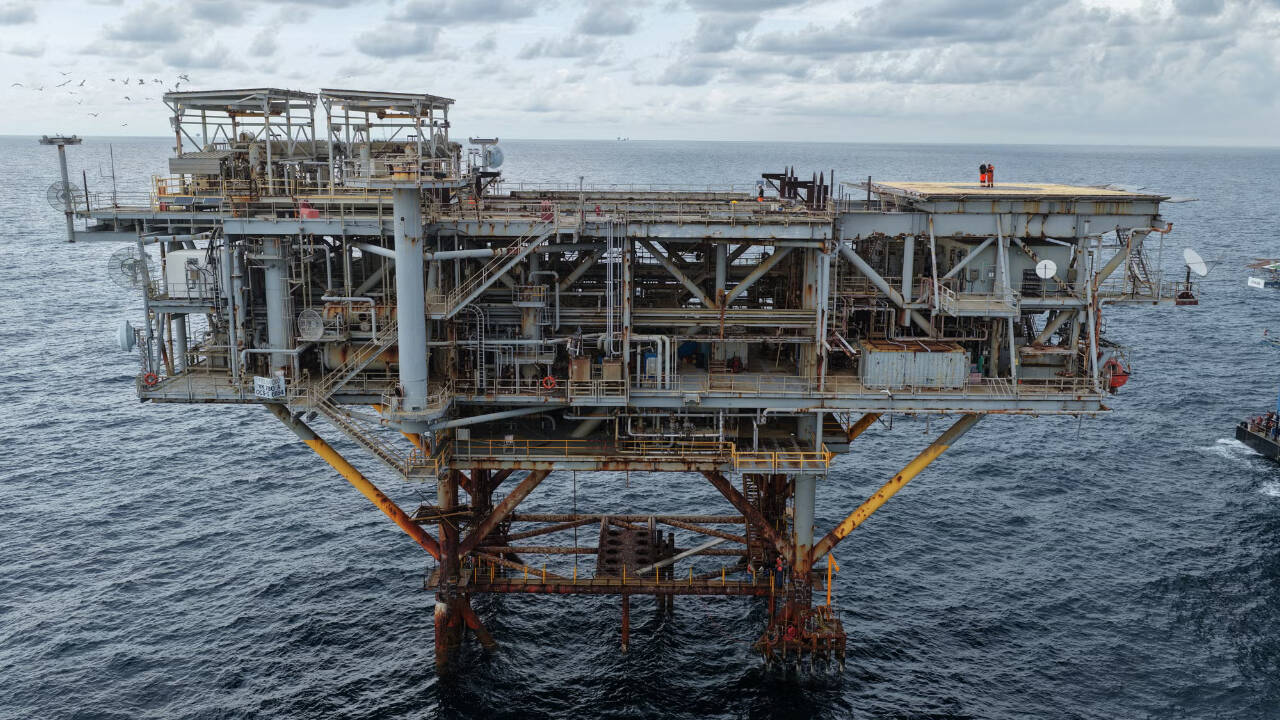
In a novel approach to environmental restoration, the US state of Alabama has repurposed an old offshore gas production platform as an artificial reef system in the Gulf of Mexico. The initiative transforms what would otherwise become marine waste into a habitat for fish and other sea creatures.
The project involved sinking the decommissioned rig to create two distinct reef structures. The taller of the two rises approximately 632 feet from the seafloor, providing a substantial underwater formation that attracts and supports diverse marine species. Such artificial reefs have become increasingly common in coastal conservation efforts.
The conversion strategy addresses multiple environmental concerns simultaneously. It diverts industrial infrastructure from landfills while creating new marine habitats in areas where natural reefs may be limited. The structures serve as anchoring points for coral growth and gathering sites for fish populations.
Officials see the project as part of broader efforts to restore coastal ecosystems and support fishing communities that depend on healthy marine resources. The initiative reflects growing recognition that strategic deployment of man-made structures can contribute meaningfully to ocean conservation objectives.
Alabama's approach aligns with similar programmes undertaken in other regions, where retired oil and gas platforms have been successfully converted into thriving artificial reef systems. Marine biologists continue to monitor such installations to assess their effectiveness in promoting biodiversity.