World · India Bureau
US Treasury Chief Faces G20 Test Over Tariffs, Iran Tensions
US Treasury Secretary Bessent navigates complex diplomatic waters at G20 talks as tariff disputes and Middle East tensions threaten to derail global economic cooperation. The Strait of Hormuz closure continues to weigh on growth prospects across major economies.
LSN India ·
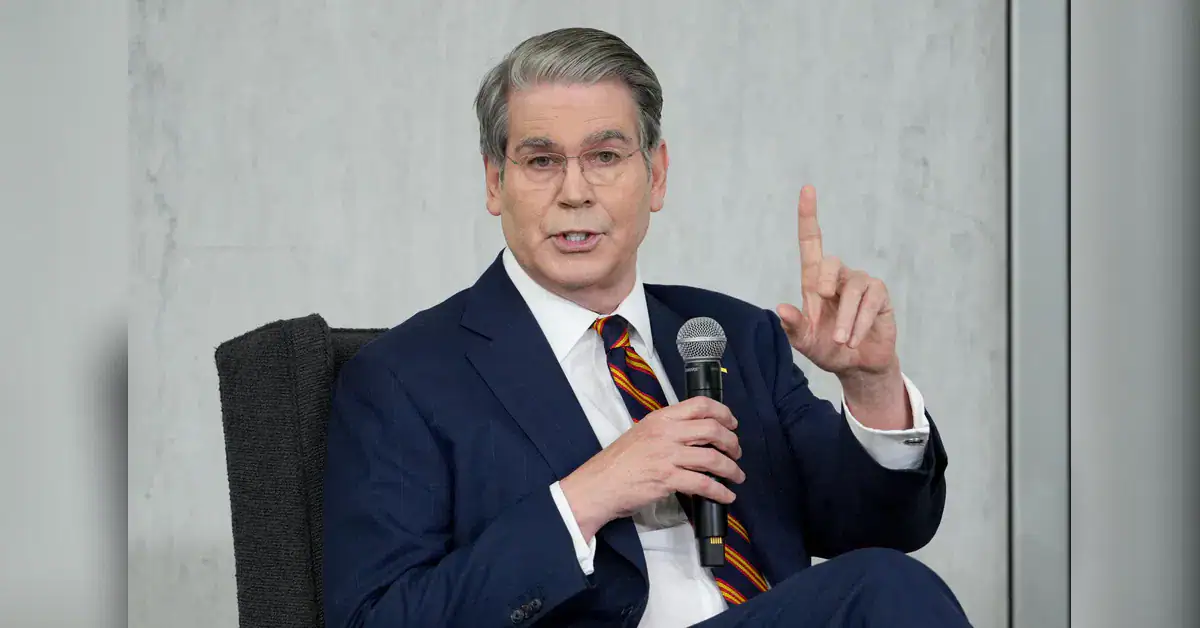
US Treasury Secretary Jay Bessent is confronting mounting diplomatic challenges at G20 discussions, as trade tensions and geopolitical instability complicate efforts to forge consensus on global economic priorities. The unresolved conflict in the Middle East has emerged as a significant constraint on growth trajectories across the world's largest economies.
Closure of the Strait of Hormuz, a critical shipping channel through which roughly one-fifth of globally traded oil transits, has created cascading economic headwinds. Energy prices remain volatile, inflation concerns persist, and supply chain disruptions ripple across manufacturing sectors dependent on steady oil supplies. These pressures have prompted G20 members to signal urgency in addressing both regional security and economic stability.
The Treasury chief's engagement comes amid broader US trade policy shifts that have unsettled traditional trading partners. Tariff proposals and protectionist measures have sparked concerns among developing and developed nations alike, threatening to fragment the multilateral consensus that typically underpins G20 coordination on monetary policy, debt management, and growth initiatives.
For India and other emerging market economies, the convergence of tariff uncertainty and Middle East instability presents dual challenges. Supply disruptions from the region, combined with potential trade restrictions, risk dampening growth momentum at a time when many nations are working to stabilize post-pandemic economic recovery. Bessent's diplomatic efforts will be closely watched for signals on whether Washington intends to pursue coordinated approaches or unilateral trade strategies.