Technology · World News Bureau
US universities caught between AI advancement and geopolitical tensions
Universities across the United States are navigating complex challenges as artificial intelligence development becomes increasingly entangled with US-China competition. Academic leaders warn that restrictive policies risk undermining research excellence while security concerns demand careful management of sensitive technologies.
LSN World News ·
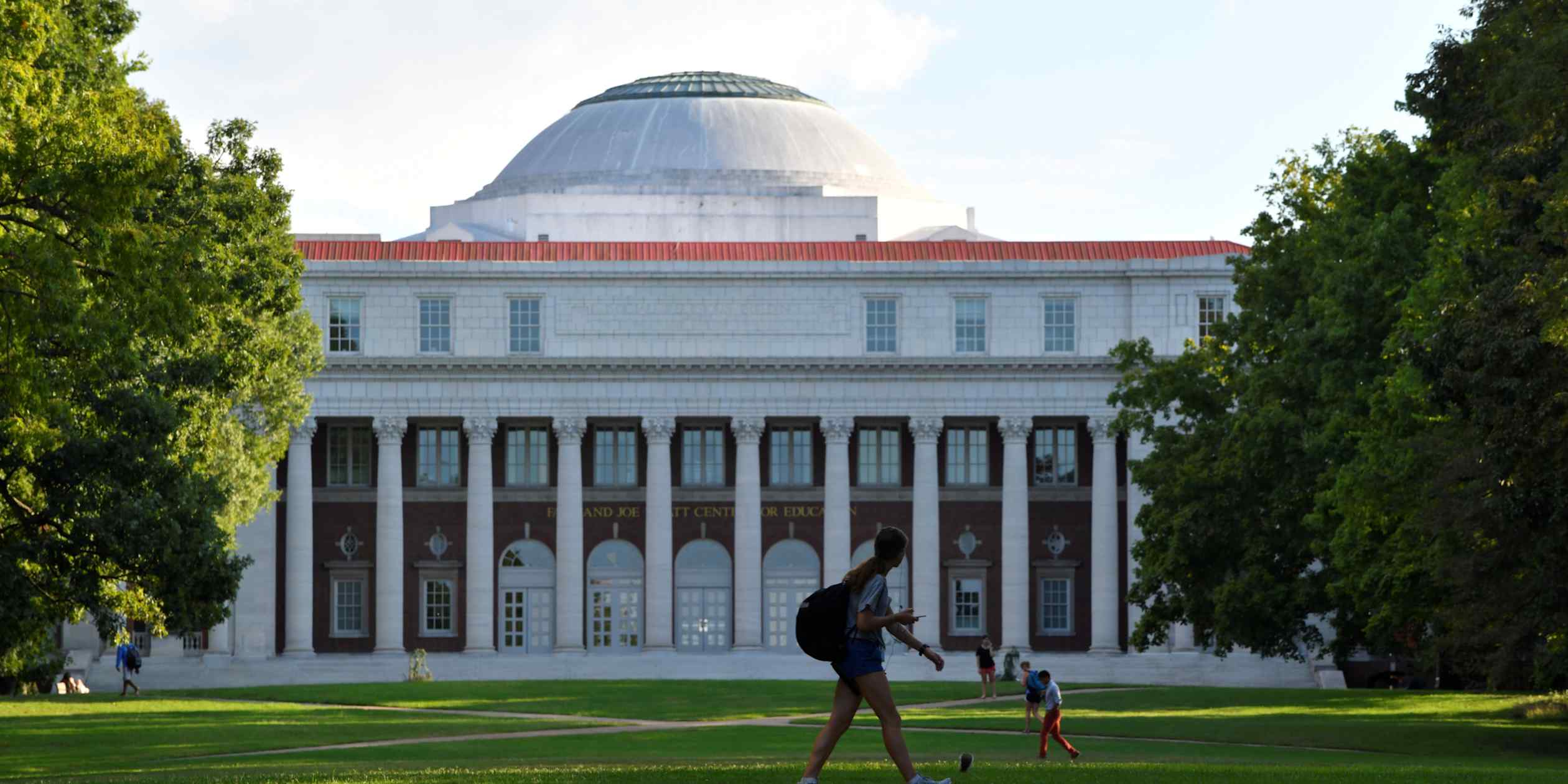
American universities face mounting pressure to balance scientific progress with national security interests as artificial intelligence emerges as a critical battleground in US-China rivalry. The tension between fostering open academic collaboration and protecting sensitive research has created unprecedented dilemmas for institutional leaders seeking to maintain their competitive edge while adhering to government guidelines.
The challenge extends across multiple domains, from recruitment of international researchers to the publication of breakthrough findings. Universities must carefully evaluate which collaborative partnerships to pursue, which student visas to approve, and which research results can be shared freely in academic forums. These decisions carry implications far beyond campus, affecting innovation capacity and institutional autonomy.
Educational institutions worry that overly restrictive approaches could drive top talent abroad and slow American research progress, particularly in fields where international collaboration has historically been essential. Simultaneously, policymakers express concerns about technology transfer and the potential military applications of dual-use research, creating conflicting imperatives that institutions must reconcile.
The situation underscores a broader reckoning within the American research establishment about its role in geopolitical competition. Universities are increasingly expected to serve as frontline defenders of national interests, a responsibility that sits uneasily with their traditional mission as open, collaborative centers of learning and inquiry.