Culture & Entertainment · India Bureau
US university slashes energy use 85% with lake-source cooling system
Cornell University's innovative approach to campus cooling has dramatically reduced energy consumption by tapping into the deep waters of Cayuga Lake. The system, operational since 2000, demonstrates how natural resources can be leveraged for sustainable campus operations.
LSN India ·
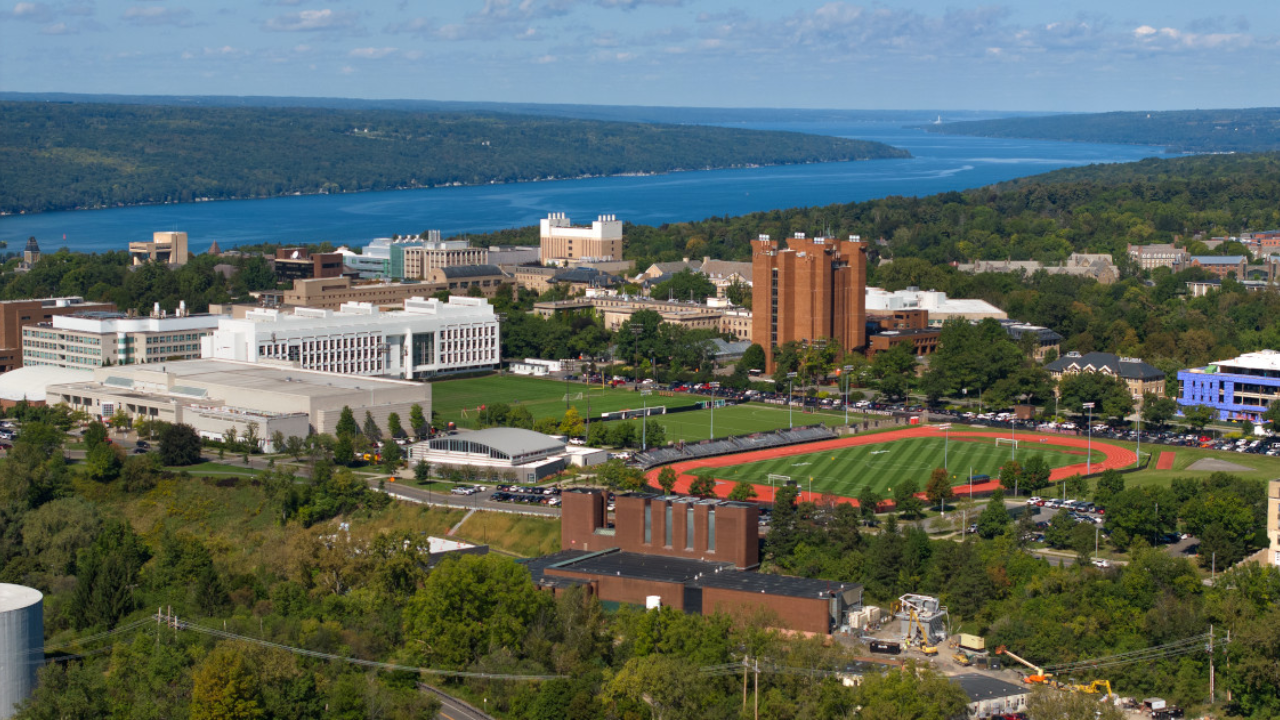
Cornell University launched a pioneering lake source cooling system two decades ago that has become a model for sustainable campus energy management. The system draws water from 250 feet below the surface of Cayuga Lake to cool buildings across the university's campus, eliminating the need for traditional air conditioning systems.
Construction of the initiative began in 1999, with the system becoming fully operational in 2000. By utilizing the naturally cold deep-water reserves of the lake, Cornell has achieved an 85 percent reduction in annual energy consumption dedicated to cooling its facilities—a significant breakthrough in campus sustainability practices.
The project represents a practical application of environmental science that addresses the growing energy demands of large institutional facilities. Rather than relying on energy-intensive mechanical cooling systems, the university tapped into a renewable resource already available in its immediate geography.
The success of Cornell's lake source cooling system has positioned the institution as a leader in eco-friendly campus infrastructure solutions. The dramatic reduction in energy use demonstrates how innovative thinking about natural resources can deliver measurable environmental and economic benefits for large organizations seeking to reduce their carbon footprint.