Politics · India Bureau
US Vice-President backs higher H-1B fees to curb worker replacement
Vice-President JD Vance has signalled support for increased visa costs as the Trump administration reviews H-1B employment practices. The potential changes are being closely monitored by Indian professionals who depend heavily on the visa programme.
LSN India ·
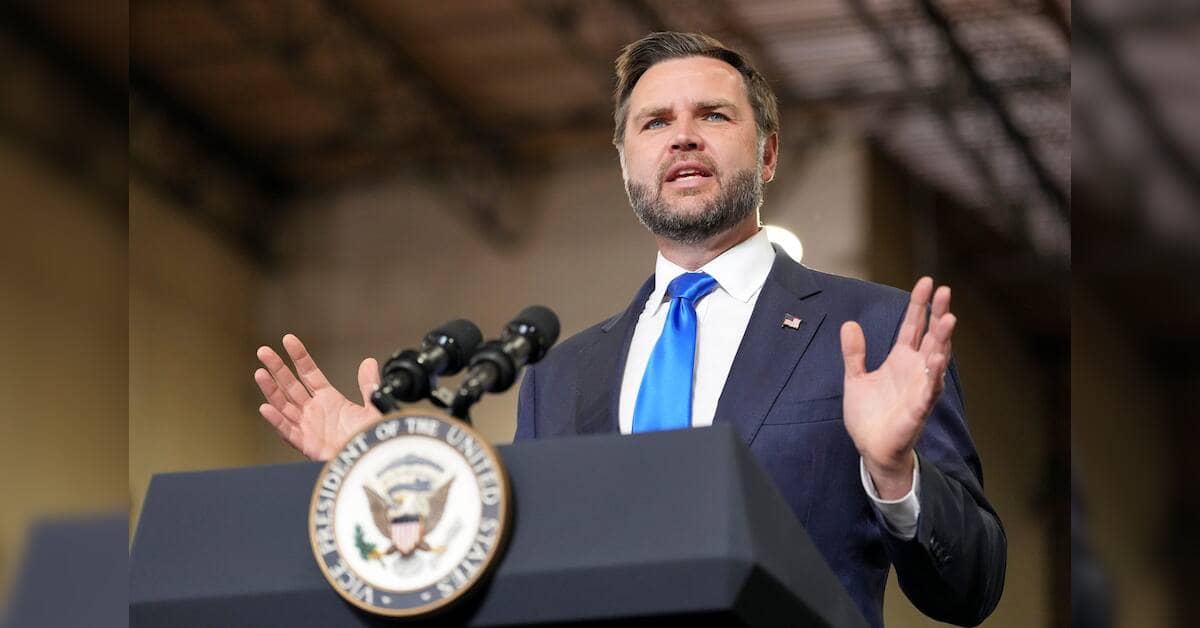
US Vice-President JD Vance has backed proposals to impose a $100,000 fee on H-1B visas, stating that the programme should not be used to displace American workers. The statement reflects the administration's intention to reassess how employers utilise the visa scheme, which has long been a pathway for skilled professionals from India and other countries to work in the United States.
Vance's position signals a hardline stance on the H-1B visa programme, which permits US companies to temporarily employ foreign workers in specialty occupations. Critics have argued that some employers use the visas to replace domestic workers with lower-cost talent, a concern Vance has now explicitly addressed.
The proposed fee increase would substantially raise the financial burden on employers seeking to sponsor H-1B workers, potentially altering hiring practices across American industries. Technology companies, healthcare providers, and other sectors that have historically relied on H-1B workers would face significantly higher recruitment costs under the proposed changes.
The review comes as Indian professionals closely monitor shifts in US immigration policy. India accounts for a substantial portion of H-1B visa recipients annually, making any modifications to the programme a matter of significant concern for the Indian diaspora and employment sectors dependent on international mobility.
The Trump administration has indicated it is conducting a comprehensive review of employer practices under the H-1B system, with discussions about visa costs and programme requirements ongoing. Further details on implementation timelines and final policy decisions are expected as the administration advances its immigration agenda.