World · India Bureau
US Vice President-elect Vance calls for overhaul of H-1B visa programme
JD Vance has intensified criticism of America's H-1B visa system, describing it as fundamentally flawed and advocating for its replacement. The stance marks a significant position on a programme that has traditionally drawn Indian tech workers to the United States.
LSN India ·
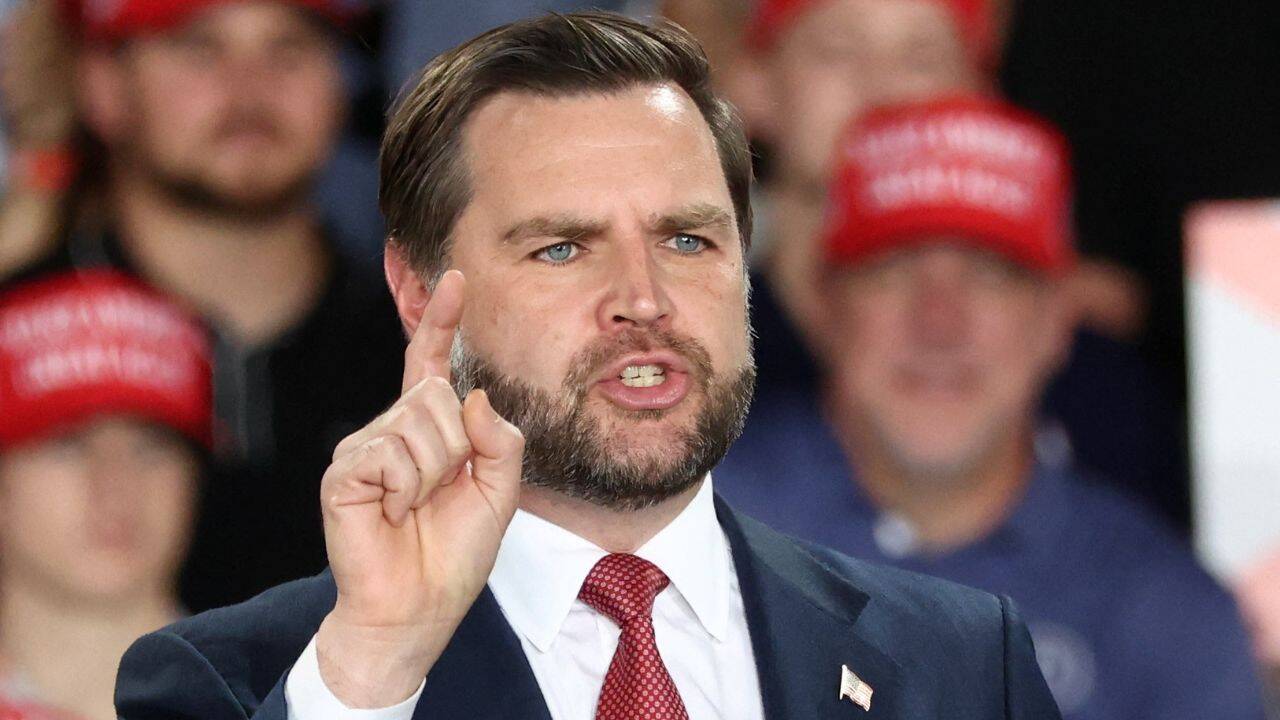
JD Vance, the incoming Vice President of the United States, has launched a strong critique of the H-1B visa programme, characterising the current system as dysfunctional and in need of comprehensive reform or elimination. His comments add to growing debate within American political circles about the visa scheme that has long served as a primary pathway for skilled international workers, particularly from India, to secure employment in the US technology sector.
Vance's remarks reflect broader concerns about the H-1B programme's implementation and impact on the American labour market. Critics argue that the visa system, which allows US employers to temporarily employ foreign workers in specialty occupations, has been subject to abuse and has failed to achieve its stated objectives of supplementing rather than displacing domestic talent.
The H-1B visa has been a cornerstone of India's tech industry's relationship with the United States, enabling thousands of Indian professionals to work at American companies and firms annually. The programme has also facilitated significant economic ties between the two countries through the technology sector.
Vance's position suggests potential policy shifts under the incoming administration regarding immigration and skilled worker visas. While the full scope of any proposed changes remains unclear, his comments indicate that the H-1B programme may face renewed scrutiny and possible legislative action in the coming months.
The debate over H-1B visas has historically divided opinion in the United States, with technology companies and employers generally supporting the programme while labour groups and some policymakers have questioned its necessity and effectiveness.