World · Bangladesh Bureau
US Vice President Vance Reframes Iran Tensions as Non-Military Conflict
US Vice President JD Vance has characterised escalating tensions with Iran as something other than a conventional war, signalling a shift in how Washington is framing its relationship with Tehran. The statement comes amid ongoing regional instability and international concern over potential military escalation.
LSN Bangladesh ·
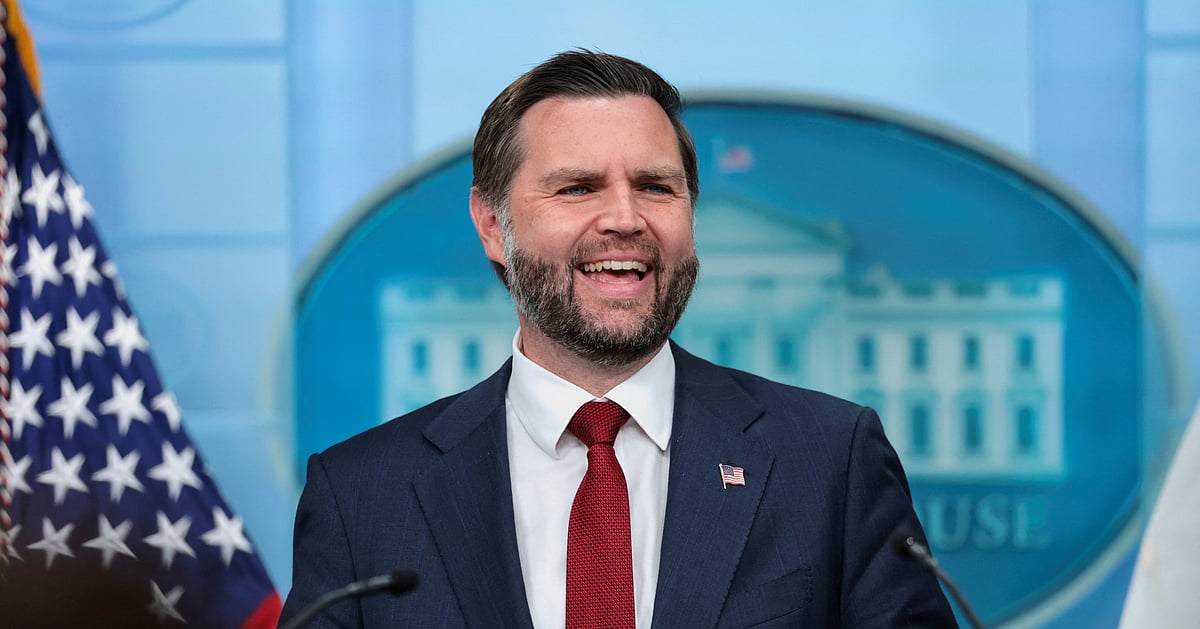
US Vice President JD Vance has sought to redefine the nature of current hostilities with Iran, stating that despite rising tensions and military activities, the situation does not constitute what would traditionally be termed a war. The remarks reflect an attempt by the Trump administration to manage expectations regarding potential military engagement while maintaining a hardline posture toward Iran.
Vance's characterisation appears designed to allow the United States flexibility in responding to Iranian actions without committing to a full-scale military conflict or triggering broader regional war. The statement comes as both nations have engaged in tit-for-tat military operations and rhetoric, with recent months seeing increased drone strikes and missile exchanges across the Persian Gulf region.
The semantic distinction drawn by Vance may signal an effort to pursue targeted military responses while avoiding the political and economic costs associated with a declared war. Analysts suggest the framing allows Washington to maintain pressure on Tehran through various means—including sanctions, cyber operations, and limited strikes—without the formal declaration or sustained military commitment a traditional war would require.
The statement underscores the complexity of US-Iran relations, where sustained hostility falls short of conventional warfare but significantly exceeds typical diplomatic tensions. Regional observers note that such characterisations often precede policy adjustments, though the long-term implications for broader Middle Eastern stability remain unclear.