Politics · World News Bureau
US voters reject data centre expansion in sweeping midterm referendum
American voters overwhelmingly opposed data centre development in Tuesday's midterm elections, rejecting proposals in 40 of 41 ballot measures addressing the contentious issue. The results underscore growing public concern about the environmental and infrastructure impacts of artificial intelligence infrastructure.
LSN World News ·
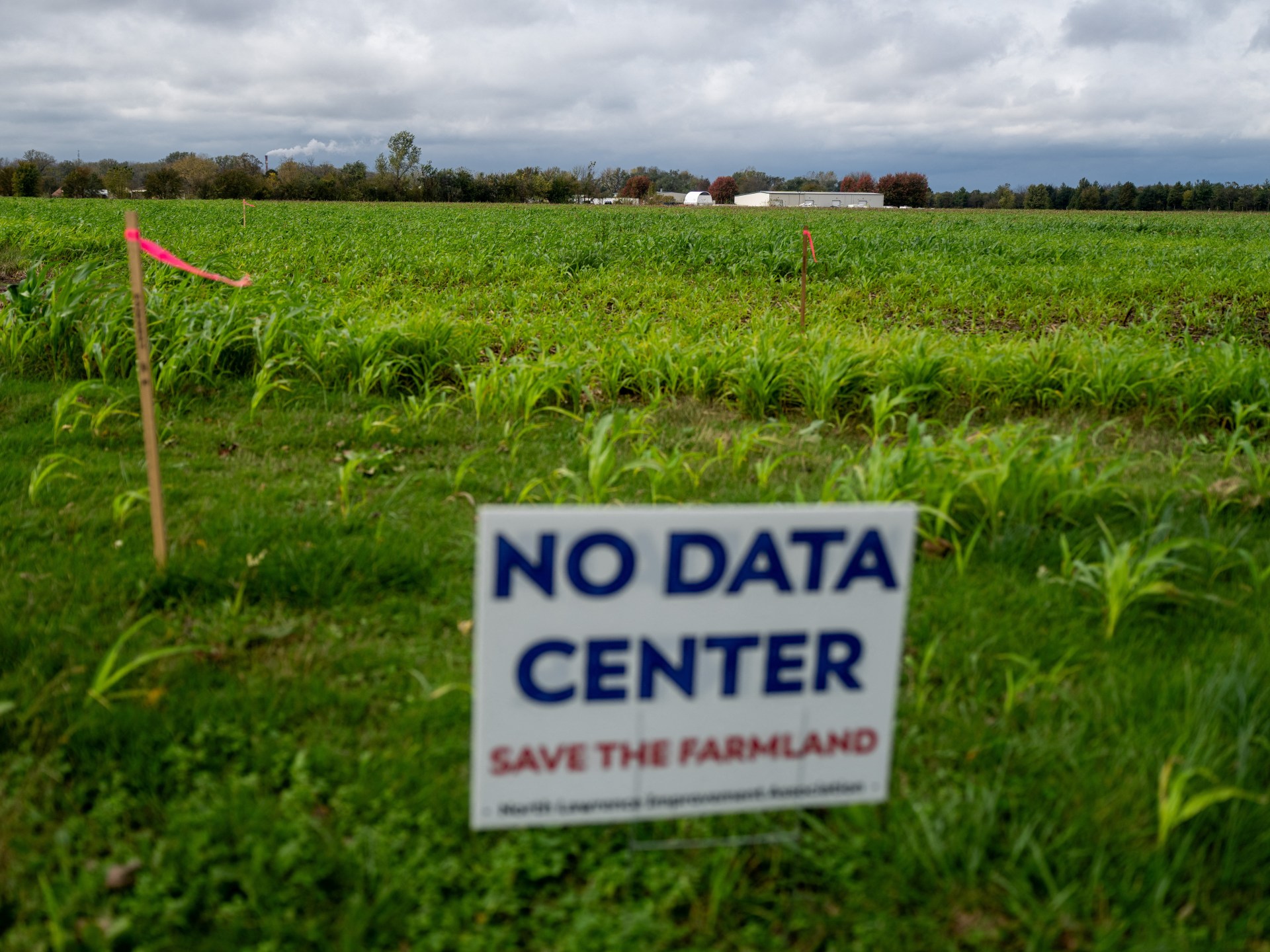
Voters across the United States dealt a significant blow to data centre expansion plans in the midterm elections, with communities voting down nearly all proposed projects addressing the issue. Of 41 ballot measures focused on data centre development, only one secured voter approval, reflecting widespread resistance to the facilities that power artificial intelligence and cloud computing services.
The decisive rejection signals deepening apprehension among American communities about data centre construction. Concerns centre on water consumption, electricity demand, land use changes, and potential environmental degradation associated with large-scale server facilities. Many rural and suburban communities that have become prime targets for data centre development have mobilized opposition campaigns highlighting these impacts.
The midterm results present a significant challenge for technology companies and investors seeking to expand AI infrastructure capacity. As demand for data services accelerates globally, the sector faces mounting community opposition to new facility proposals. The outcome suggests that policymakers and developers will need to address environmental and local impact concerns more substantially to gain public support for future projects.
The vote marks a rare consensus issue across otherwise politically divided American voters, with opposition cutting across regional and demographic lines. The strength of rejection indicates data centre expansion has emerged as a consequential local policy matter demanding attention from both industry stakeholders and elected officials.