World · India Bureau
Uttar Pradesh rolls out private medical college scheme to boost healthcare infrastructure
Uttar Pradesh has launched an incentive-based scheme to attract private investment in medical education and healthcare facilities across underserved districts. The initiative aims to establish private medical colleges and teaching hospitals in areas currently lacking such institutional infrastructure.
LSN India ·
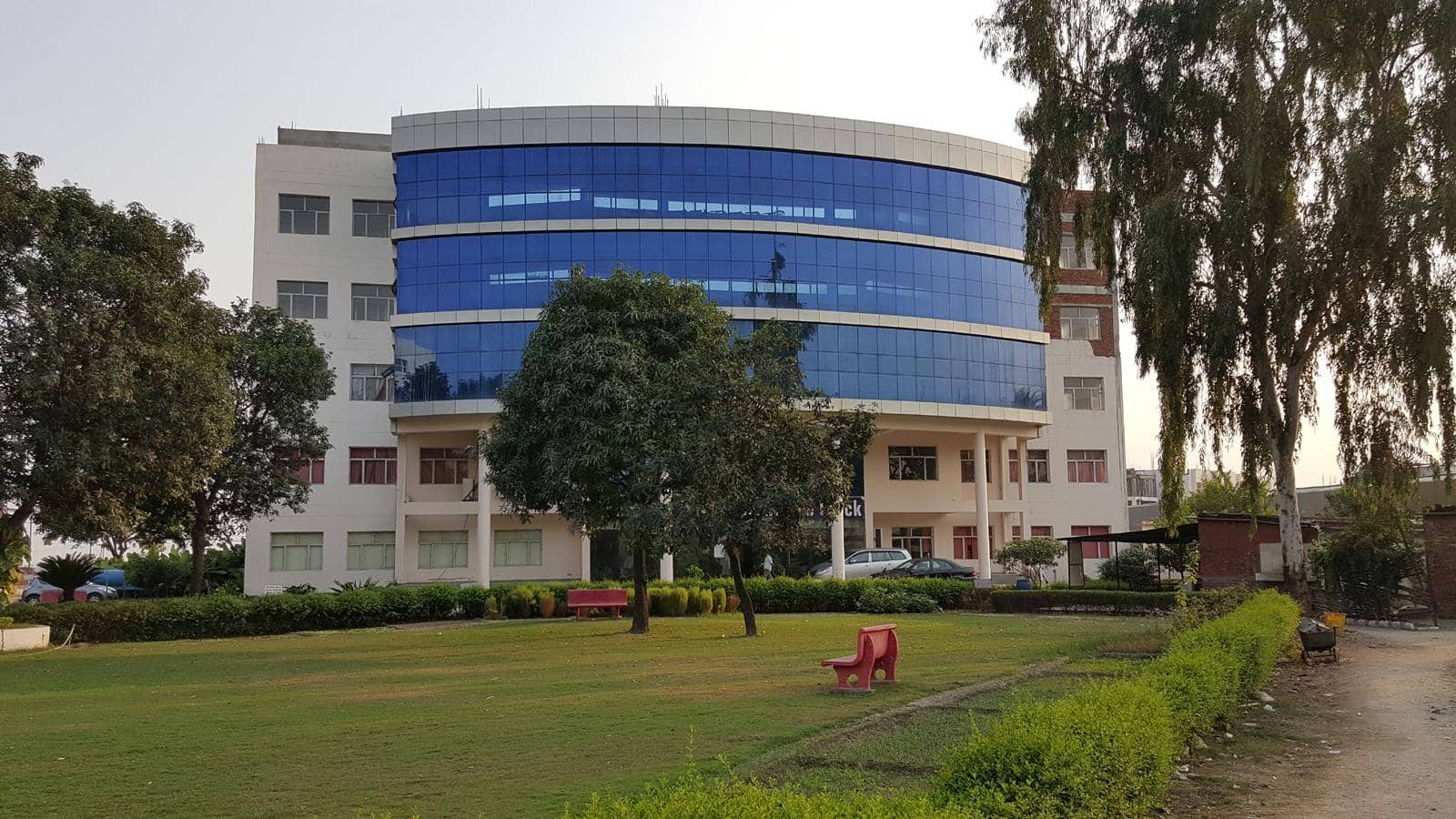
The Uttar Pradesh Private Medical College Scheme, 2022, represents a significant policy move to address healthcare infrastructure gaps in the state's districts without existing medical colleges or teaching hospitals. By leveraging private capital and technical expertise, the scheme seeks to expand access to medical education and tertiary healthcare services across the region.
The initiative offers structured incentives to encourage private sector participation in establishing medical institutions. These incentives are designed to make investment in underserved areas financially viable while maintaining standards of medical education and patient care. The scheme outlines specific eligibility criteria that prospective operators must meet to qualify for participation and associated benefits.
Under the framework, private entities can establish medical colleges with associated teaching hospitals in designated districts, subject to meeting regulatory requirements and quality benchmarks. The scheme aims to create a sustainable model wherein private investment addresses public health infrastructure needs in areas where government-led development has faced constraints.
The move reflects Uttar Pradesh's strategy to bridge healthcare gaps through public-private collaboration. By allowing private institutions to operate under defined parameters, the state government seeks to accelerate medical infrastructure development while ensuring compliance with national standards for medical education and healthcare delivery. The scheme is expected to generate additional educational opportunities and improve healthcare access in currently underserved populations.