Politics · India Bureau
Uttar Pradesh tightens character checks for government jobs amid controversy
Uttar Pradesh has revised its character verification guidelines for government recruitment, sparking debate over employment eligibility, political activism and the right to protest. The stricter criteria have placed questions about dissent and public employment at the centre of political discourse.
LSN India ·
Uttar Pradesh has implemented revised character verification protocols for government job applicants, establishing new criteria that have triggered discussion about the intersection of political conduct and public employment eligibility.
The updated guidelines represent a significant tightening of background checks for candidates seeking positions in government services. Officials overseeing recruitment have indicated that character assessment will play a central role in determining suitability for public sector employment.
Political observers note the revision has intensified debate over the scope of character verification standards. Civil society groups and opposition parties have raised concerns about how authorities might define disqualifying conduct, particularly regarding protest activities and political dissent. The guidelines appear to address concerns about candidates involved in activities deemed destabilising, though the precise language and interpretation of key provisions remain subjects of contention.
The measure reflects a broader approach by the state government toward public employment screening. Officials argue enhanced vetting ensures integrity in government services, while critics contend the criteria could unfairly exclude citizens exercising constitutional rights to peaceful protest and political participation.
The implementation of these revised standards is likely to face legal and political scrutiny as questions arise about how character verification relates to fundamental rights and the criteria used to assess candidate suitability for government positions.
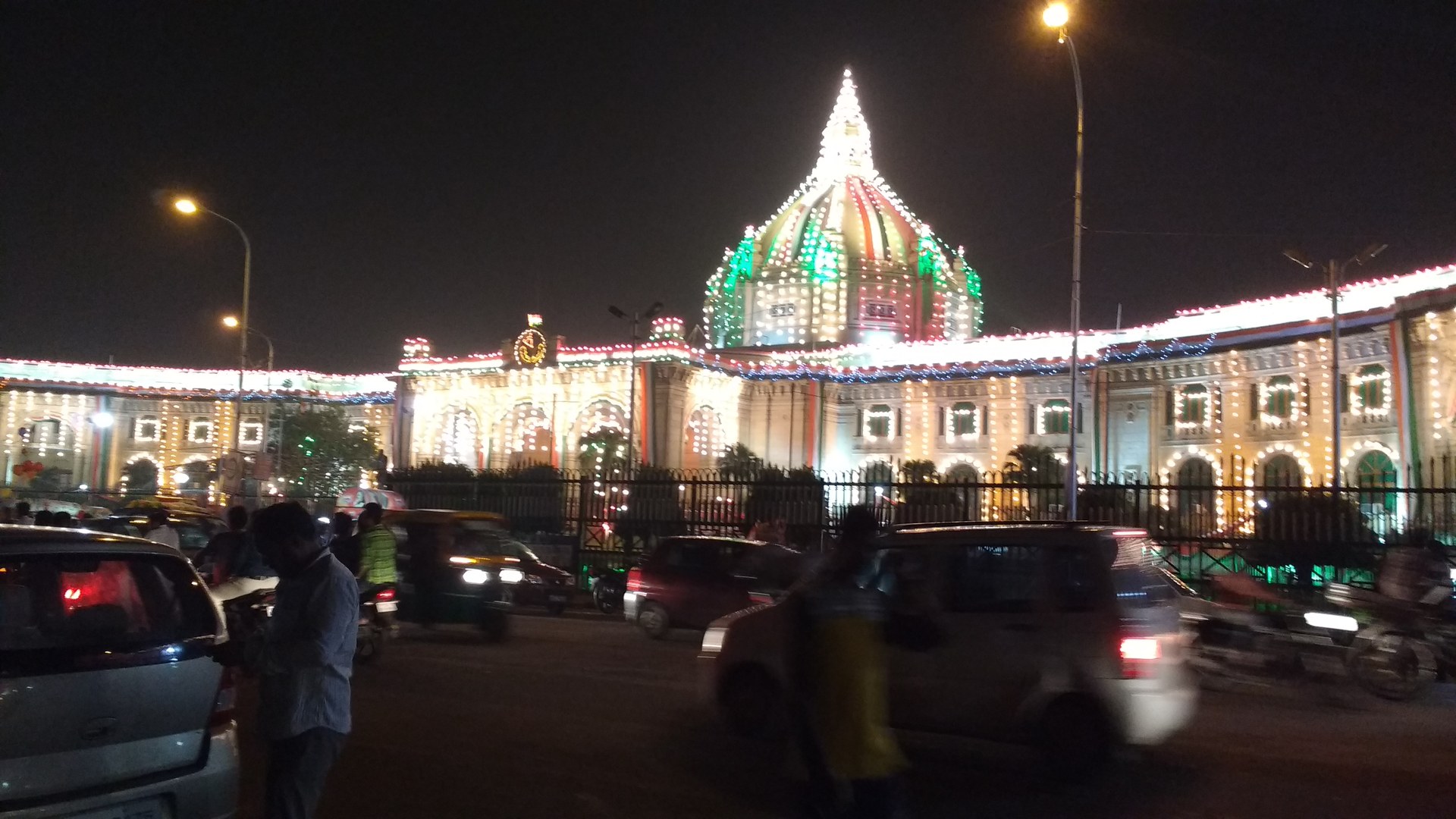
Photo: Vidhan Bhawan, seat of the Uttar Pradesh legislature, in Lucknow, August 2016. Mohammad Azahar via Wikimedia Commons (CC BY-SA 4.0).