Politics · India Bureau
Uttar Pradesh unveils comprehensive textile policy with fresh incentives
Uttar Pradesh has launched an updated textile and garment manufacturing policy designed to boost the state's position in India's textile sector. The 2022 policy framework extends support across the entire value chain, from raw material production to finished garment exports.
LSN India ·
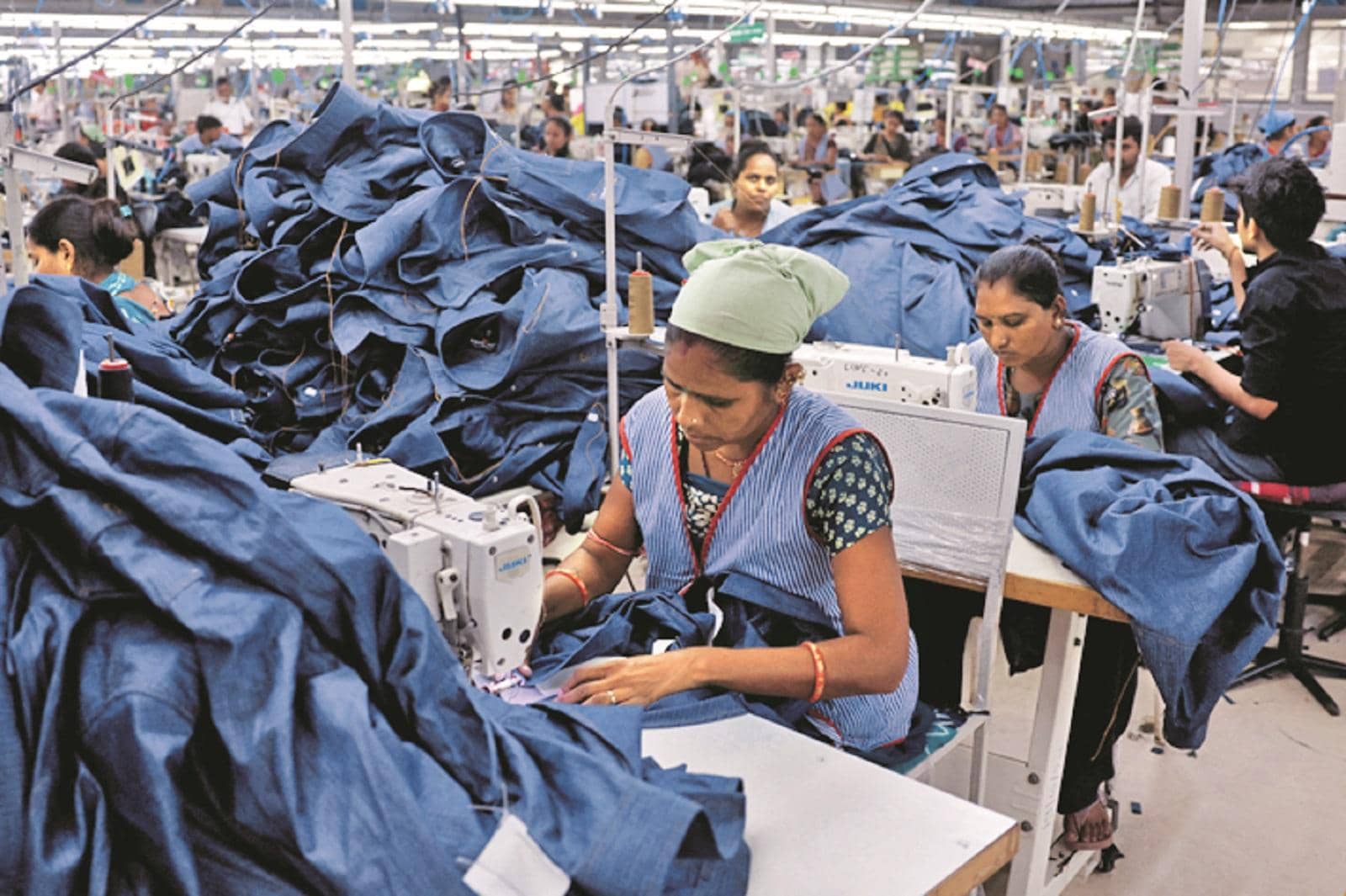
The Uttar Pradesh Textile and Garmenting Policy, 2022, represents the state's strategic push to strengthen its textile manufacturing ecosystem and attract investment across multiple segments of the industry. The policy framework addresses the complete textile value chain, encompassing sericulture—the production of silk—alongside conventional spinning, weaving and knitting operations that form the backbone of India's textile manufacturing base.
Under the new policy structure, incentives have been extended to processing units and garment manufacturers, recognising the growing demand for value-added products in domestic and international markets. The initiative also extends support to technical textiles, a high-growth segment where India has identified significant opportunities for innovation and export expansion. This diversification of focus reflects efforts to move beyond traditional textiles into specialised applications in automotive, healthcare, agriculture and infrastructure sectors.
The policy further emphasises the development of common infrastructure facilities across the state, addressing a longstanding constraint for small and medium enterprises in the textile sector. By creating shared resources and infrastructure hubs, the framework aims to reduce individual production costs and enable smaller players to achieve competitive economies of scale. Such infrastructure support is expected to facilitate cluster development and enhance operational efficiency across manufacturing facilities.
Uttar Pradesh's textile sector, which already employs substantial portions of the state's industrial workforce, stands to benefit from this comprehensive policy approach. The framework combines direct incentives with infrastructure development, positioning the state to capture increased manufacturing investment as companies seek to diversify their production bases within India.