World · India Bureau
Vaishno Devi shrine: Untold stories behind Kashmir's holiest temple
The Vaishno Devi temple in Jammu and Kashmir attracts millions of devotees annually, but many pilgrims remain unaware of the goddess's origins and the sacred cave's historical significance. Religious historians continue to explore the lesser-known narratives connected to one of Hindu faith's most revered pilgrimage sites.
LSN India ·
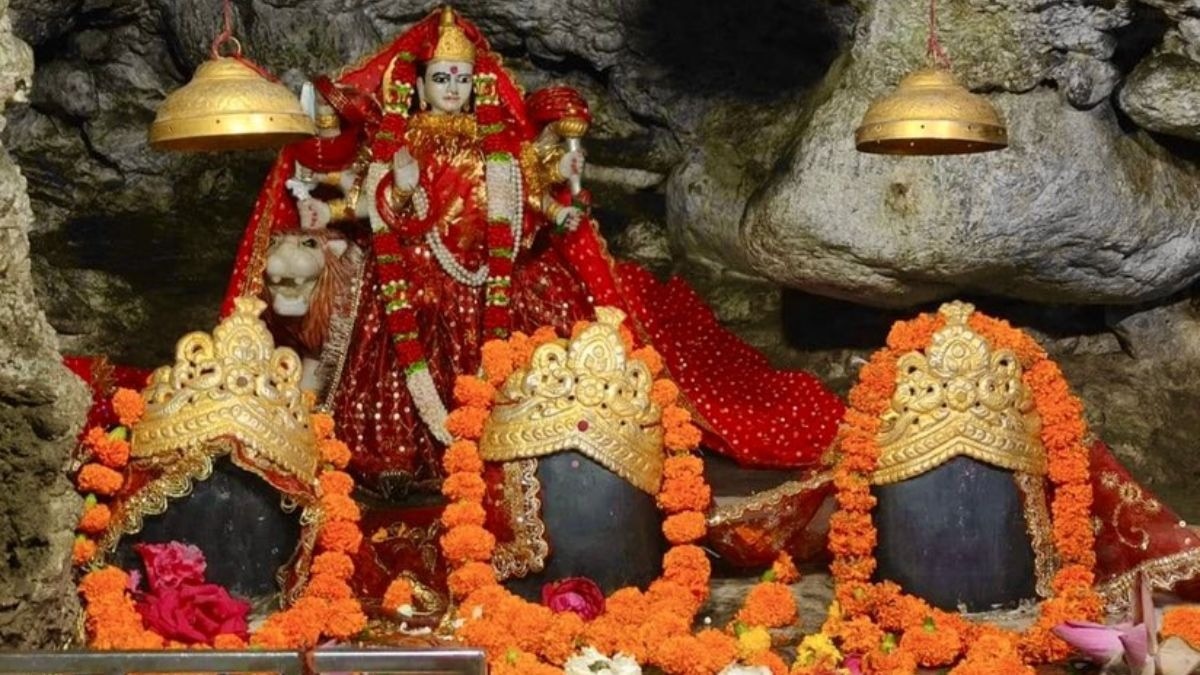
The Vaishno Devi shrine, situated atop the Trikuta mountains in Jammu and Kashmir, stands as a spiritual epicentre for countless believers across India and the diaspora. The temple's religious significance has grown exponentially over decades, with annual pilgrim numbers reaching into the millions. Yet despite its prominence in Hindu devotional practice, several aspects of the shrine's origins and early history remain subjects of scholarly inquiry.
According to religious traditions, the sanctum sanctorum consists of a natural cave where devotees encounter three natural rock formations believed to represent the goddess in her trinity form. Local historical accounts trace connections to Pandit Shridhar, a figure of considerable importance in the shrine's narrative history, though detailed documentation from this period remains limited. The geological formation of the cave itself has intrigued both religious scholars and natural scientists seeking to understand how this site evolved into a major pilgrimage destination.
The journey to the shrine, which involves traversing mountain pathways, has historically been an essential component of the pilgrimage experience. Over the centuries, the route and rituals have undergone modifications, reflecting changing times while maintaining core spiritual practices. Contemporary pilgrimage infrastructure has expanded significantly, yet the fundamental devotional character of the site remains unchanged.
Religious historians continue documenting oral traditions and written accounts that shed light on the temple's evolution from a lesser-known mountain sanctuary to one of Hinduism's foremost pilgrimage destinations. These efforts aim to preserve narratives that connect modern-day believers with centuries of spiritual continuity, enriching the overall understanding of this sacred site's place in Hindu religious consciousness.