Politics · India Bureau
Valid visa holders can be detained for questioning: Delhi HC
The Delhi High Court has ruled that immigration officials retain the authority to detain passengers holding valid visas for security checks and questioning at airports. The judgment came while hearing a case involving an Indian citizen who faced repeated additional scrutiny at Delhi's IGI Airport despite possessing a valid German business visa.
LSN India ·
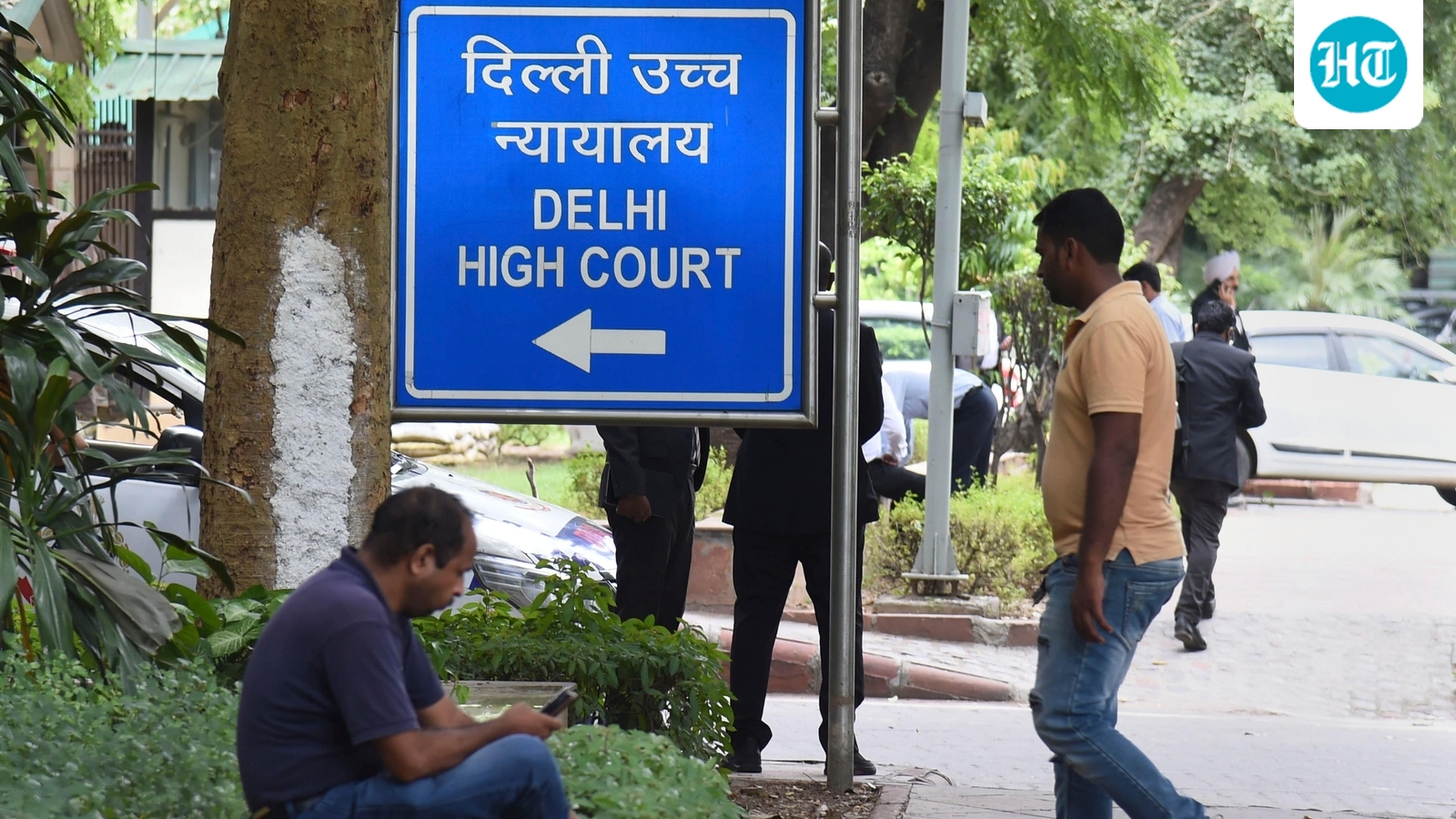
The Delhi High Court has clarified that the possession of a valid visa does not provide complete immunity from detention at immigration checkpoints, establishing that airport authorities retain discretionary powers to hold passengers for security verification purposes.
The ruling emerged from a petition filed by an Indian citizen who alleged he was subjected to repeated additional scrutiny at the immigration counter of Indira Gandhi International Airport despite holding a valid German Business visa. The petitioner claimed the repeated checks constituted harassment and violated his rights.
Justices considered the balance between facilitation of legitimate travel and security imperatives, concluding that immigration officers are empowered to detain individuals for questioning and conducting security checks as part of their mandate to protect national security and prevent potential threats. The court noted that such detention must be conducted within reasonable parameters and without unnecessary harassment.
The judgment underscores that valid visa documentation alone does not override security protocols at airports. Immigration authorities may exercise their discretionary powers to conduct additional verification if circumstances warrant it, provided such actions remain proportionate and justified.
The ruling provides clarity to both travellers and immigration personnel regarding the scope of powers at airport immigration counters, balancing passenger facilitation with national security requirements.