World · India Bureau
Vance clarifies 'indentured servants' remark as H-1B visa row escalates
US Vice President JD Vance has sought to walk back controversial comments about foreign workers, saying his language may have been imperfect. The clarification comes as the Trump administration intensifies scrutiny of visa programmes affecting Indian IT professionals.
LSN India ·
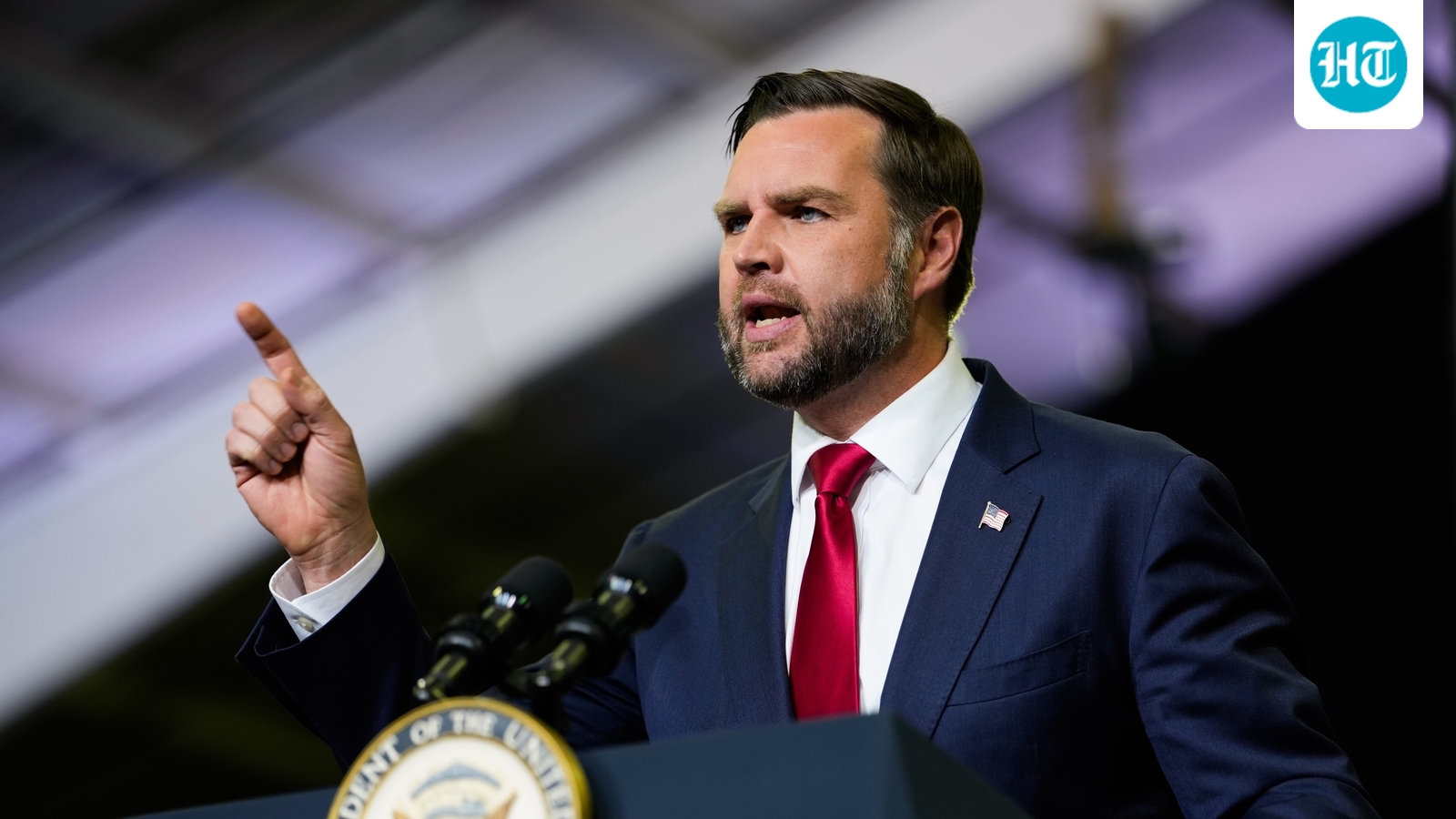
JD Vance, the US Vice President, on Tuesday attempted to soften previous remarks characterising certain foreign workers as 'indentured servants', stating that his rhetorical approach may not have been entirely appropriate. The clarification represents a notable pivot from his earlier sharp criticism of visa-dependent employment practices in the American technology sector.
Vance's remarks come against the backdrop of an escalating row over the H-1B visa programme, which has long served as a primary pathway for Indian IT professionals seeking employment in the United States. The controversy intensified earlier this month when the Trump administration announced restrictions on green card filings from several companies, including prominent Indian information technology firms.
The Vice President sought to emphasise his personal connections to the Indian community, stating his affinity for his Indian in-laws. Such statements appear designed to counter perceptions that the administration's immigration policies are targeting Indian workers specifically, even as the suspension of green card sponsorships has raised concerns among India's IT services sector and industry observers.
The H-1B visa debate reflects broader tensions within the Trump administration regarding immigration policy and labour protections. While some officials argue that restrictions protect American workers from wage competition, industry representatives contend that specialised visa programmes are essential to filling critical skill gaps in the technology sector.
The administration's actions have prompted responses from Indian business groups and government officials, who view the restrictions as potentially damaging to bilateral technology cooperation and the livelihoods of Indian professionals working in the United States.