World · India Bureau
Vance Criticizes H-1B Visa Program, Alleges Tech Company Labor Abuses
U.S. Vice President-elect JD Vance has drawn controversy by characterizing H-1B visa workers as indentured servants and accusing major technology firms of exploiting the immigration program. His remarks have reignited debate over the visa scheme's impact on both foreign workers and domestic employment.
LSN India ·
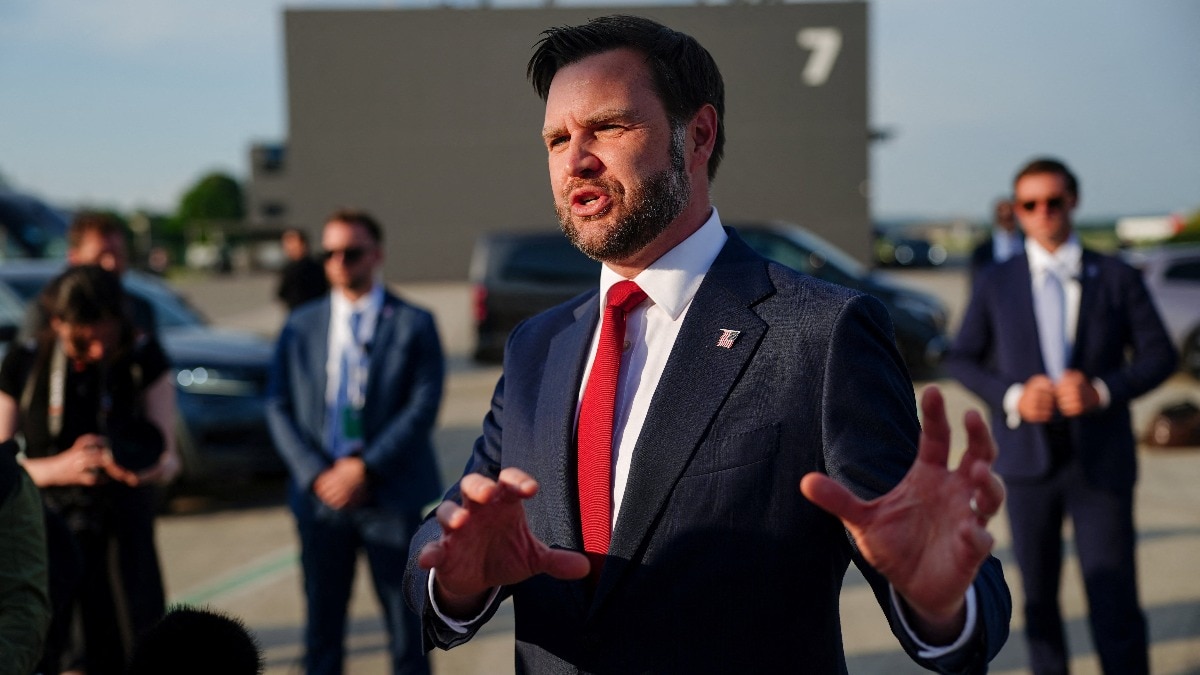
JD Vance, the incoming U.S. Vice President, has intensified scrutiny of the H-1B visa program by comparing visa holders to indentured servants and alleging systematic labor abuses by technology companies. His comments specifically targeted Microsoft and other major firms that rely heavily on the temporary worker visa category to fill skilled positions.
The H-1B program, which permits U.S. companies to temporarily employ foreign workers in specialty occupations, has long been a flashpoint in American immigration policy. Proponents argue the visa addresses genuine skill shortages in technology and other sectors, while critics contend it depresses wages for domestic workers and enables exploitation of migrant laborers through sponsorship-linked employment restrictions.
Vance's allegations center on claims that companies leverage visa sponsorship to limit worker mobility and suppress compensation. The characterization of H-1B holders as indentured servants reflects concerns that visa-dependent workers lack negotiating power and face constrained employment options compared to citizens and permanent residents.
The remarks come amid broader policy discussions in India and other nations about the treatment of citizens working abroad on temporary visas. Indian professionals comprise a significant portion of H-1B visa recipients, making the debate particularly relevant for Indian technology workers and their families.
Technology industry representatives have previously defended the H-1B program as essential for maintaining competitive advantage and filling critical roles. The controversy underscores ongoing tensions between labor advocacy, immigration policy, and technology sector staffing practices in the United States.