Politics · India Bureau
Vanderbilt widow's forest legacy shaped American conservation
A landmark 1914 land donation by Edith Vanderbilt established what would become Pisgah National Forest, setting an early precedent for large-scale public land conservation in the United States.
LSN India ·
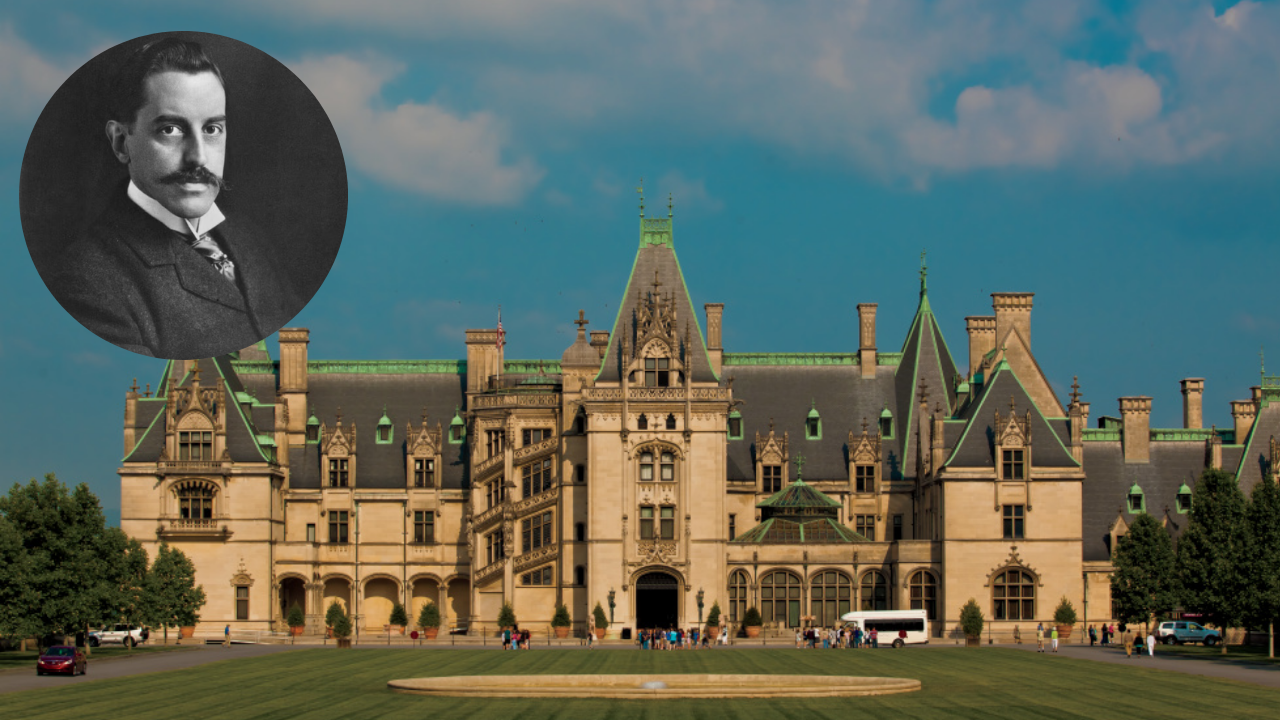
More than a century ago, Edith Vanderbilt made a pivotal decision that would reshape forest conservation in America's eastern regions. In 1914, the widow of prominent businessman George Vanderbilt transferred 86,700 acres of North Carolina land to the federal government at a price substantially below market value.
The transaction reflected Edith Vanderbilt's commitment to advancing her late husband's conservation vision. George Vanderbilt had begun constructing an expansive estate in North Carolina in 1888, and throughout his life championed the preservation of the region's forests. After his death, his widow remained dedicated to this environmental mission.
The donated land formed the foundation for Pisgah National Forest, officially established in 1916. The creation of the national forest represented a significant milestone in early 20th-century environmental protection, demonstrating how private philanthropy could facilitate large-scale ecological preservation.
Edith Vanderbilt's generous contribution established a notable example of voluntary land conservation during an era when the concept of protecting vast wilderness areas remained relatively novel. The decision underscored the growing recognition among wealthy landowners of their potential role in safeguarding natural resources for future generations and contributed to the expansion of federally protected forestlands across the eastern United States.