World · India Bureau
Vast Pacific plastic accumulation zone spans 1.6 million square kilometres
A rotating mass of plastic debris larger than many countries has formed between Hawaii and California, with concentrations reaching 50 kilograms per square kilometre. The accumulation poses an escalating threat to marine ecosystems across the region.
LSN India ·
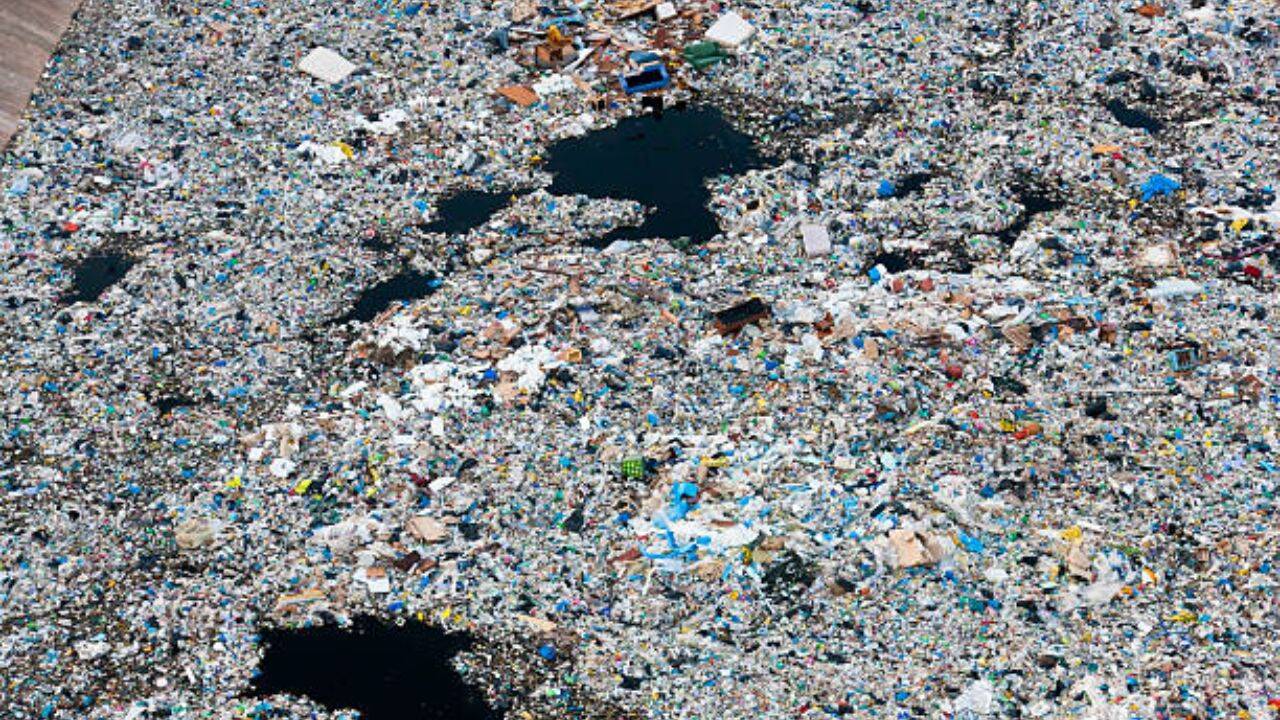
A massive convergence of plastic waste spanning approximately 1.6 million square kilometres now rotates in the waters between Hawaii and the California coast, marking one of the most significant marine pollution challenges in the Pacific Ocean. The debris field contains not only large items such as fishing nets and ropes but also vast quantities of microplastics—fragmented particles that pervade the water column and ocean floor.
The concentration of plastic in this zone reaches an estimated 50 kilograms per square kilometre, far exceeding levels found in surrounding waters. The accumulation has formed due to natural ocean circulation patterns that concentrate buoyant materials in specific regions, creating what scientists describe as a rotating vortex of waste.
Marine life in the region faces mounting hazards from the plastic accumulation. Fish, seabirds, and other ocean creatures frequently consume plastic fragments, mistaking them for food sources. Additionally, abandoned and discarded fishing equipment—known as ghost gear—continues to trap and injure marine animals long after being discarded.
The microplastics dispersed throughout the zone represent a particular concern for ocean health. These minute particles enter marine food webs at the base level, potentially affecting entire ecosystems. The long-term consequences of sustained microplastic exposure on fish populations and other marine organisms remain an active area of scientific investigation.