World · India Bureau
Vastu experts outline proper tulsi plant placement for household prosperity
According to vastu shastra principles, strategic positioning of tulsi plants at the main entrance can enhance domestic wealth and well-being. Practitioners recommend following specific directional guidelines and rituals to maximize the auspicious benefits.
LSN India ·
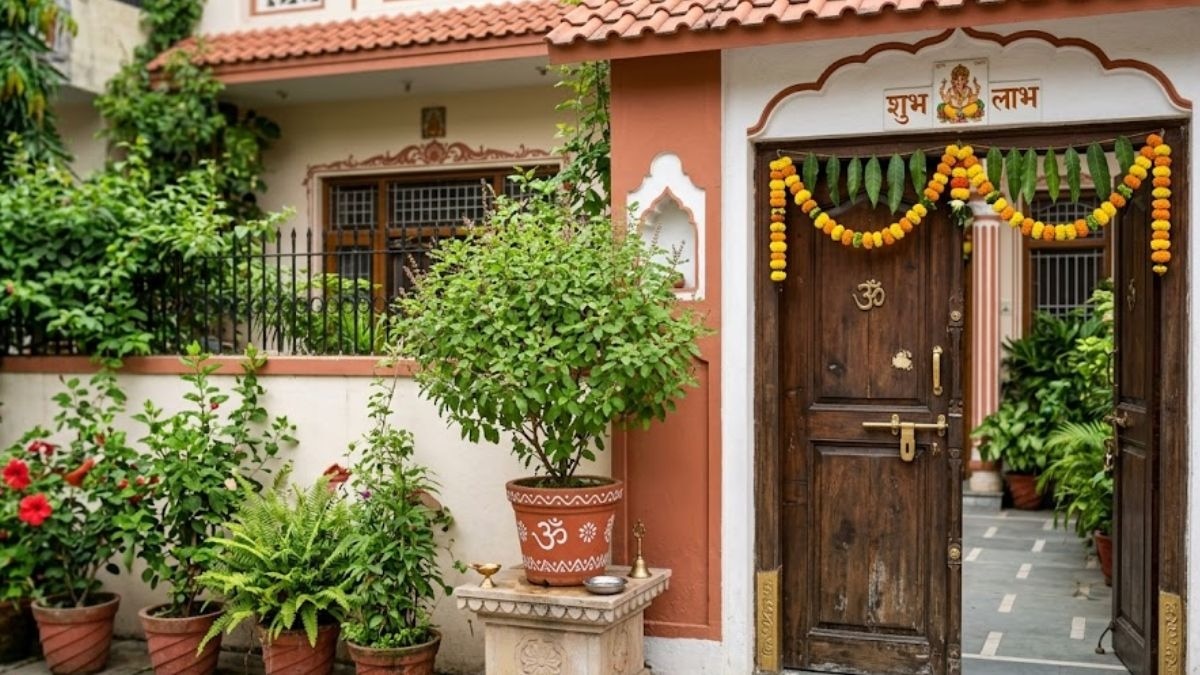
Vastu shastra, the traditional Indian architectural science, prescribes particular placement methods for tulsi plants to attract financial abundance and positive energy into homes. Adherents believe that positioning the sacred plant correctly at the main gate serves as a gateway for prosperity and good fortune.
Vastu experts recommend placing tulsi plants in the northeast or east-facing direction at the entrance, as these orientations are considered most auspicious according to the ancient practice. The northeast is traditionally associated with divine blessings, while the east direction symbolizes new beginnings and positive energy flow.
Followers are advised to maintain specific practices when cultivating tulsi at home entrances. These include regular watering, ensuring adequate sunlight, and keeping the area surrounding the plant clean and uncluttered. The plant should ideally be housed in a terracotta or mud pot rather than plastic containers, practitioners note.
Vastu guidelines also caution against certain common mistakes that may diminish the plant's beneficial effects. These include placing tulsi in southern or western directions, allowing the plant to wither or dry, and positioning it directly in pathways where it may be stepped over. Additionally, removing leaves without proper intention or during inauspicious times is considered unfavorable.
While vastu practices remain popular among many Indian households seeking to optimize their living spaces for prosperity, adherents emphasize that proper plant care and maintenance are equally important for achieving the desired outcomes.