World · India Bureau
Vastu experts warn against placing tulsi plants in seven home locations
According to vastu shastra principles followed across India, certain areas of the home are considered inauspicious for the sacred tulsi plant. Placing the herb in these locations is believed to invite domestic troubles and negative energy.
LSN India ·
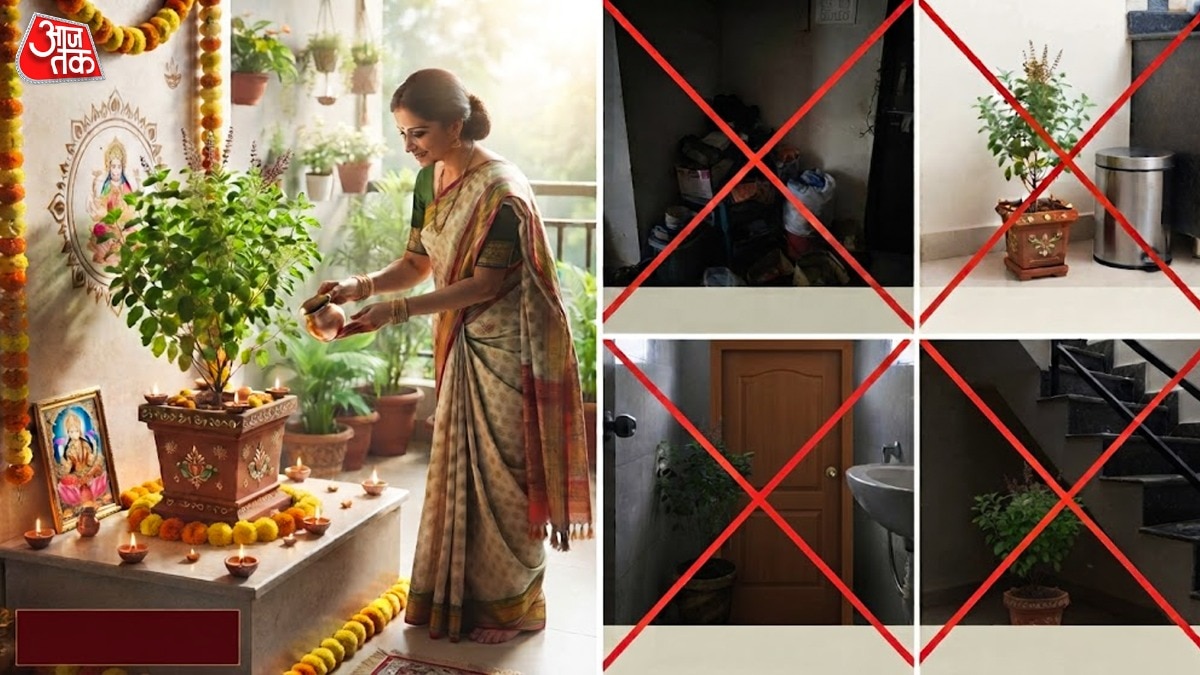
Tulsi, revered as one of Hinduism's most sacred plants, holds significant cultural and spiritual importance across Indian households. However, practitioners of vastu shastra—the ancient Indian system of architecture and spatial arrangement—caution against placing tulsi plants indiscriminately within homes, citing specific locations that should be avoided.
According to vastu principles, seven particular areas of the dwelling are considered unsuitable for tulsi cultivation. These locations are believed to disrupt the positive energy flow within living spaces and potentially invite misfortune and complications into the household. Vastu experts emphasize that the placement of sacred plants requires careful consideration aligned with directional and spatial principles.
The belief system suggests that proper positioning of tulsi enhances spiritual benefits and domestic harmony, while incorrect placement may negate these advantages. Traditional vastu practitioners recommend consulting placement guidelines before establishing tulsi plants in new homes, ensuring the herb is positioned in locations that are believed to maximize positive influences.
Many Indian households maintain tulsi plants as part of daily spiritual routines and household traditions. Understanding vastu-compliant placement practices has therefore become important for devotees seeking to combine cultural customs with spatial harmony within their residences.