World · India Bureau
Vastu Guide: Ideal Placement for Tulsi Plants in Your Home
According to vastu shastra principles, the placement of tulsi plants in the home can influence household harmony and well-being. Here are the recommended and restricted locations for positioning this sacred herb.
LSN India ·
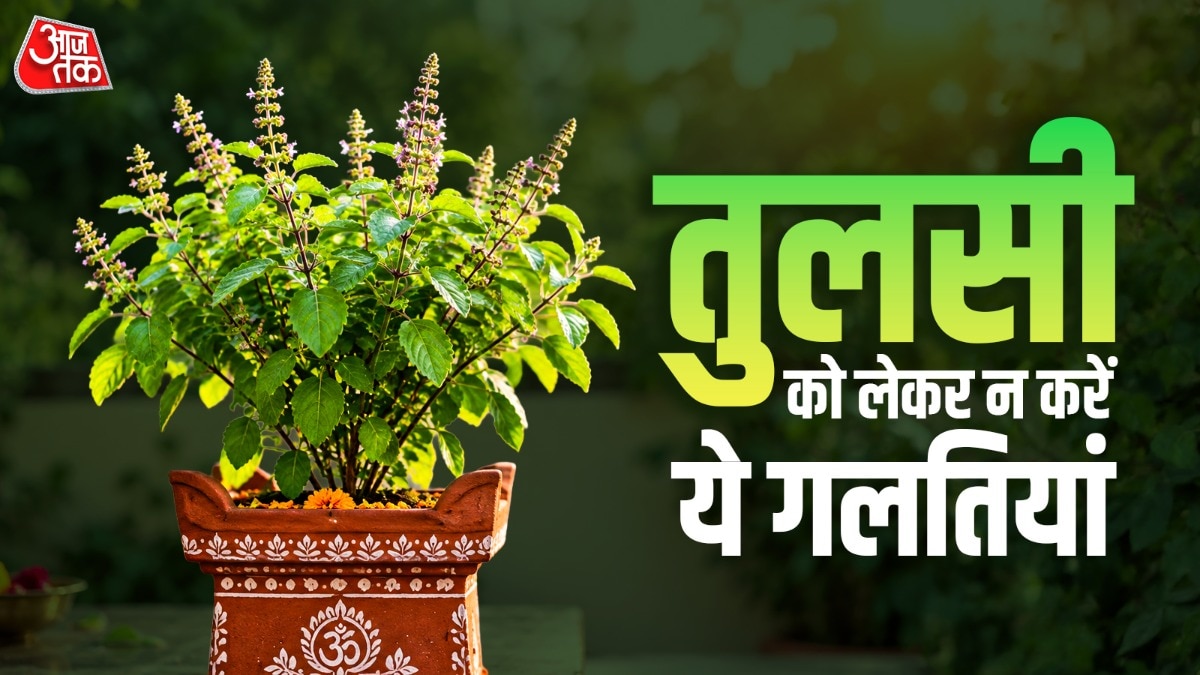
Tulsi, or holy basil, holds significant cultural and spiritual importance across Indian households. Beyond its medicinal properties, vastu shastra—the ancient Indian science of architecture and spatial arrangement—offers specific guidance on where tulsi plants should be positioned within the home.
According to vastu principles, the northeast direction is considered most auspicious for placing tulsi plants. This orientation is believed to enhance positive energy and promote household prosperity. The eastern direction is also regarded as favorable, as it receives morning sunlight, which supports the plant's growth while aligning with vastu's emphasis on harnessing natural light and energy.
Vastu practitioners recommend avoiding certain placements that are considered inauspicious. The southern and southwestern directions should be avoided, as these are traditionally associated with negative energy flows. Similarly, placing tulsi in the bedroom or kitchen is discouraged, as these areas are believed to conflict with the plant's spiritual properties.
For optimal results, vastu suggests positioning the tulsi plant in a dedicated corner or on a raised platform, preferably in a terracotta pot. The plant should receive adequate sunlight and be watered regularly, combining practical horticultural care with adherence to traditional principles. Those following vastu guidelines maintain that such mindful placement harmonizes with the home's natural energy patterns.