World · India Bureau
Vastu principles guide homeowners on space under stairs
According to Vastu Shastra, certain rooms and facilities should not be constructed beneath staircases due to perceived negative influences. Indian homeowners traditionally follow these architectural guidelines when planning internal layouts.
LSN India ·
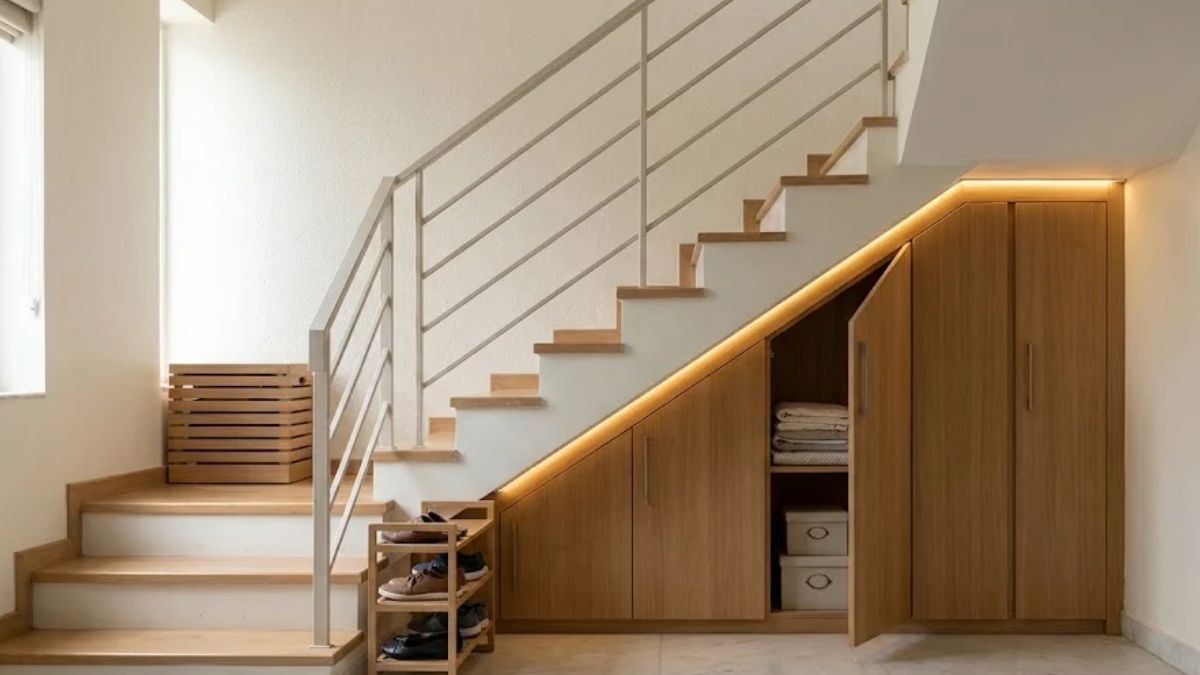
Vastu Shastra, the ancient Indian architectural science, offers specific recommendations regarding the utilization of space beneath staircases in residential properties. Traditional practitioners advise against placing prayer rooms, kitchens, and bathrooms in these locations, citing principles related to energy flow and spatial harmony within homes.
According to Vastu guidelines, areas under staircases are considered inauspicious for worship spaces, as devotional activities require undisturbed positive energy and unobstructed spatial flow. Similarly, kitchens positioned beneath stairs are believed to compromise the effectiveness of culinary spaces, while bathrooms in such locations may create imbalances in household hygiene and well-being.
Vastu practitioners suggest alternative uses for under-stair spaces that align with traditional principles. Storage areas, utility rooms, and small cabinets are considered appropriate applications, as these spaces serve functional purposes without requiring the concentrated energy believed necessary for kitchens, prayer areas, or bathrooms.
These recommendations form part of broader Vastu principles that guide Indian homeowners in designing residential spaces. While ancient in origin, many contemporary Indian architects and designers continue to incorporate these guidelines into modern home planning, particularly among those who observe traditional practices and beliefs regarding spatial organization and domestic harmony.
Homeowners planning renovations or new constructions often consult Vastu specialists to ensure their architectural choices align with these traditional principles while meeting contemporary living requirements.