World · India Bureau
Vastu principles guide proper placement of indoor plants for prosperity
According to vastu shastra traditions, certain household plants should not be placed on the floor to maintain household wealth and wellbeing. Proper positioning of plants like money plant and tulsi is believed to enhance prosperity and harmony.
LSN India ·
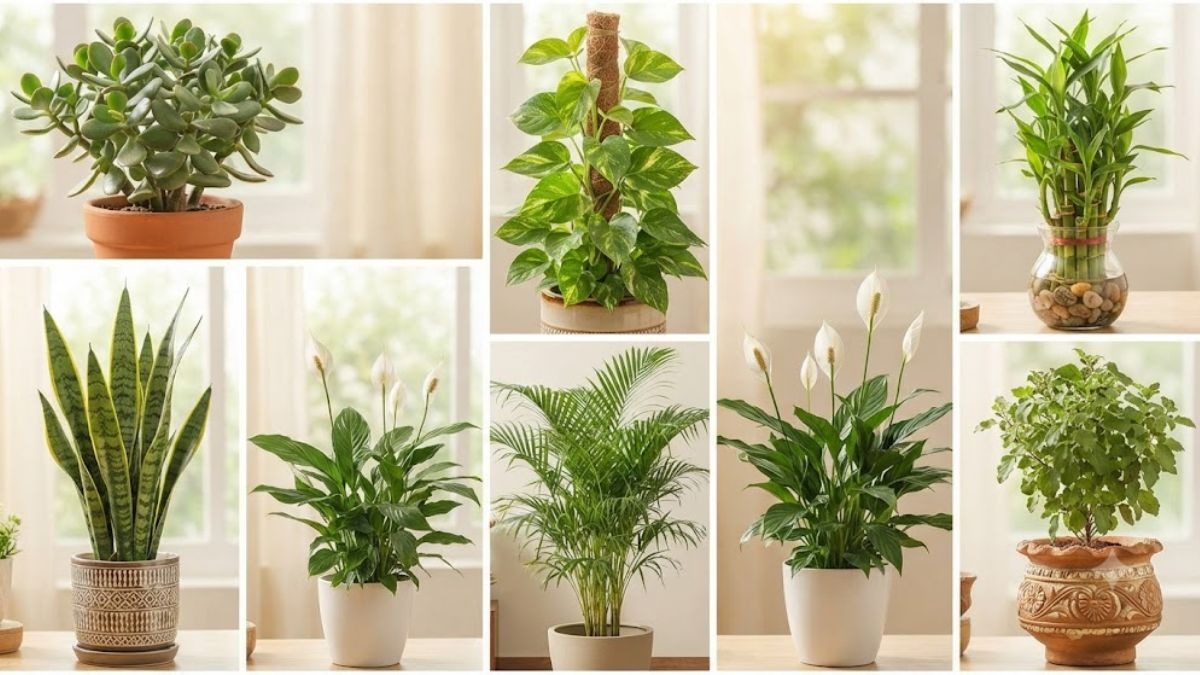
Vastu shastra, the traditional Indian system of architecture and spatial arrangement, offers specific guidance on where common houseplants should be positioned for optimal benefits. Practitioners of vastu believe that incorrect placement of certain plants can negatively impact a household's financial and spiritual wellbeing.
Among the plants requiring careful placement are money plant, tulsi, and several others frequently kept in Indian homes. According to vastu principles, these plants should never be left on the floor, as doing so is believed to invite financial hardship and loss of prosperity. Instead, vastu experts recommend placing such plants on elevated surfaces, shelves, or specially designated areas within the home.
The money plant, considered highly auspicious in vastu tradition, should ideally be positioned in areas that receive indirect sunlight and in locations associated with wealth accumulation. Tulsi, revered in Hindu culture for both spiritual and medicinal properties, is traditionally placed in the northeast corner of homes or on elevated platforms in prayer areas.
While vastu shastra is an ancient practice with deep cultural roots in India, it remains widely followed by households seeking to align their living spaces with traditional principles believed to enhance wellbeing. The practice reflects broader beliefs about the relationship between spatial arrangement and household fortune that continue to influence interior design choices across the region.