World · India Bureau
Vatican upholds excommunication of deacon who quit over clergy abuse
The Vatican has rejected an appeal by Scott Peyton, a former Catholic deacon from Louisiana, against his excommunication following his departure from the Church after a priest sexually abused his teenage son. Peyton has questioned the Vatican's decision to excommunicate him while the convicted abuser remains in the priesthood.
LSN India ·
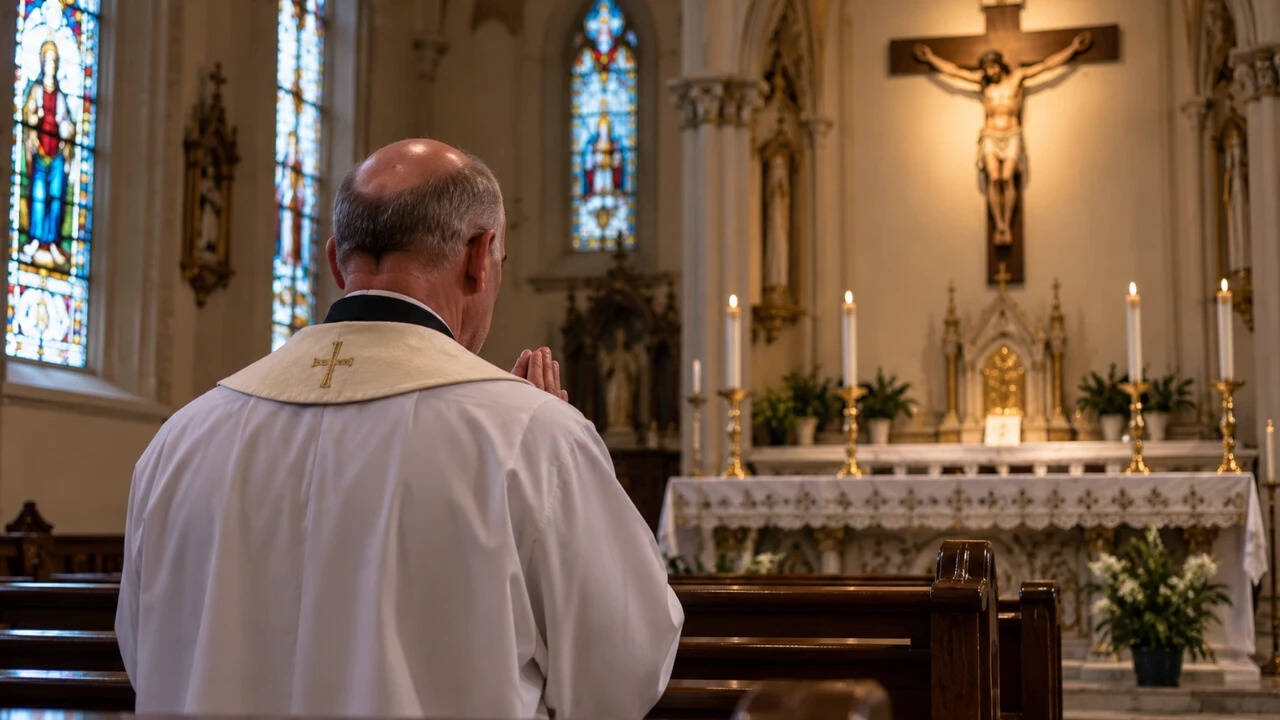
Scott Peyton, a former deacon in the Roman Catholic Church, has exhausted his legal recourse within the Vatican after Church authorities upheld his excommunication. Peyton left the Catholic Church and joined another Christian congregation after a priest admitted to sexually abusing his teenage son in 2018, an act that prompted his departure from the faith.
The Vatican's decision to maintain the excommunication, despite Peyton's formal appeal, has drawn criticism from the former deacon, who has highlighted what he views as a stark disparity in how the Church has treated him compared to the priest responsible for the abuse. The convicted abuser, who served a seven-year prison sentence, has retained his position within the priesthood, according to Peyton's account.
The case underscores ongoing tensions within the Catholic Church regarding its handling of clergy abuse cases and the treatment of victims' families. Peyton's excommunication, typically reserved for those who commit grave offences against Church doctrine, has raised questions about the Church's priorities in disciplining members who have left the faith versus those accused of criminal conduct against children.
Excommunication is one of the most severe disciplinary measures the Catholic Church can impose, effectively severing a member's participation in Church sacraments and community. The Vatican's upheaval of the decision suggests Church officials view Peyton's departure and subsequent joining of another Christian congregation as a sufficiently grave matter to warrant maintaining the penalty.