World · India Bureau
Verstappen blames F1 car design for quick driver adaptation
Max Verstappen has suggested that modern Formula 1 cars are becoming increasingly disconnected from driver inputs, citing the rapid adaptation shown by teammates Liam Lawson and Yuki Tsunoda as evidence of the problem.
LSN India ·
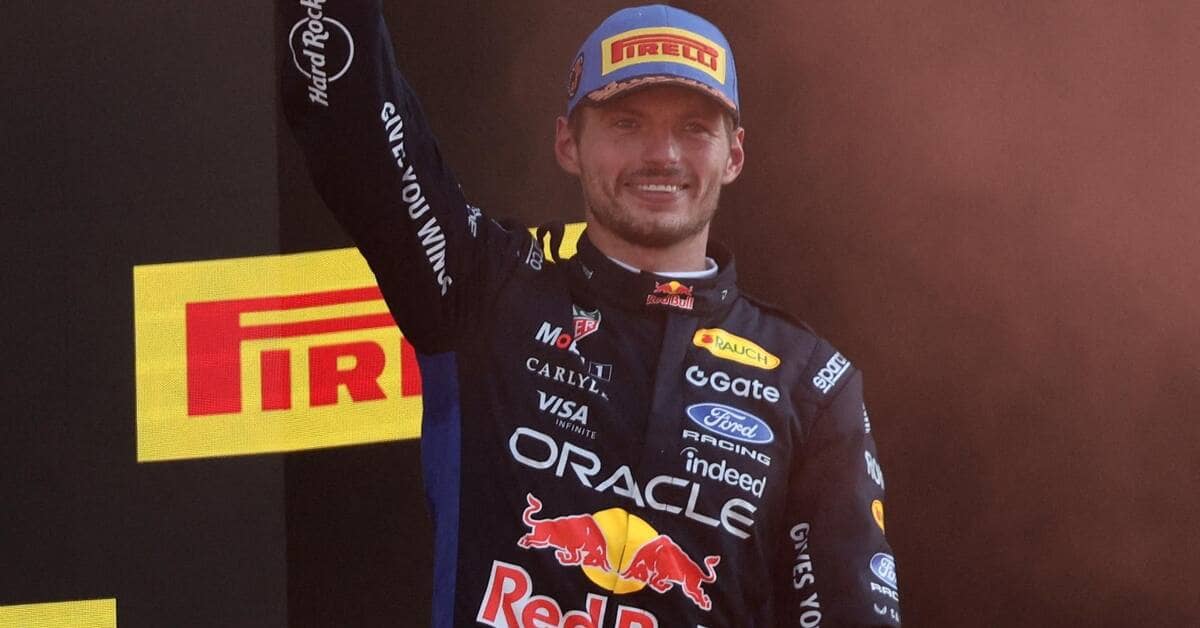
The four-time F1 world champion told the BBC in an interview that 2026-specification cars, which incorporate a significant electric hybrid power component, produce "unnatural" driving dynamics that allow drivers to become competitive quickly regardless of their familiarity with a particular vehicle.
Verstappen pointed to Lawson's seamless transition into the Red Bull mid-season—replacing injured teammate Isack Hadjar—as a case study. Lawson has remained in the seat through to this week's Spanish Grand Prix, demonstrating immediate competitiveness. Similarly, Yuki Tsunoda, who took over Lawson's Racing Bulls car, has also scored points despite never having driven the vehicle before.
"Look at Yuki. He jumps in the car. Never driven the car before. Immediately competitive," Verstappen explained. "Liam jumps from the Racing Bulls to the Red Bull—immediately competitive. It's because the cars are numb to your driver inputs."
The Dutchman elaborated that the hybrid power unit architecture requires counterintuitive driving inputs, such as braking earlier into corners to optimize exit speed. These mechanical requirements, he suggested, override the nuanced car-control differences that traditionally separated drivers' adaptation times.
Both Lawson and Tsunoda have demonstrated that modern F1's technological direction may be reducing the traditional skill differential in vehicle familiarization, raising questions about driver differentiation as the sport evolves.