Business · Vietnam Bureau
Very strong El Nino to last into 2027, Vietnam warns of drought and salt intrusion
Disaster officials say the dry season ahead could bring water shortages to central and southern Vietnam, and a prime ministerial directive on the response is being drafted.
LSN Vietnam ·
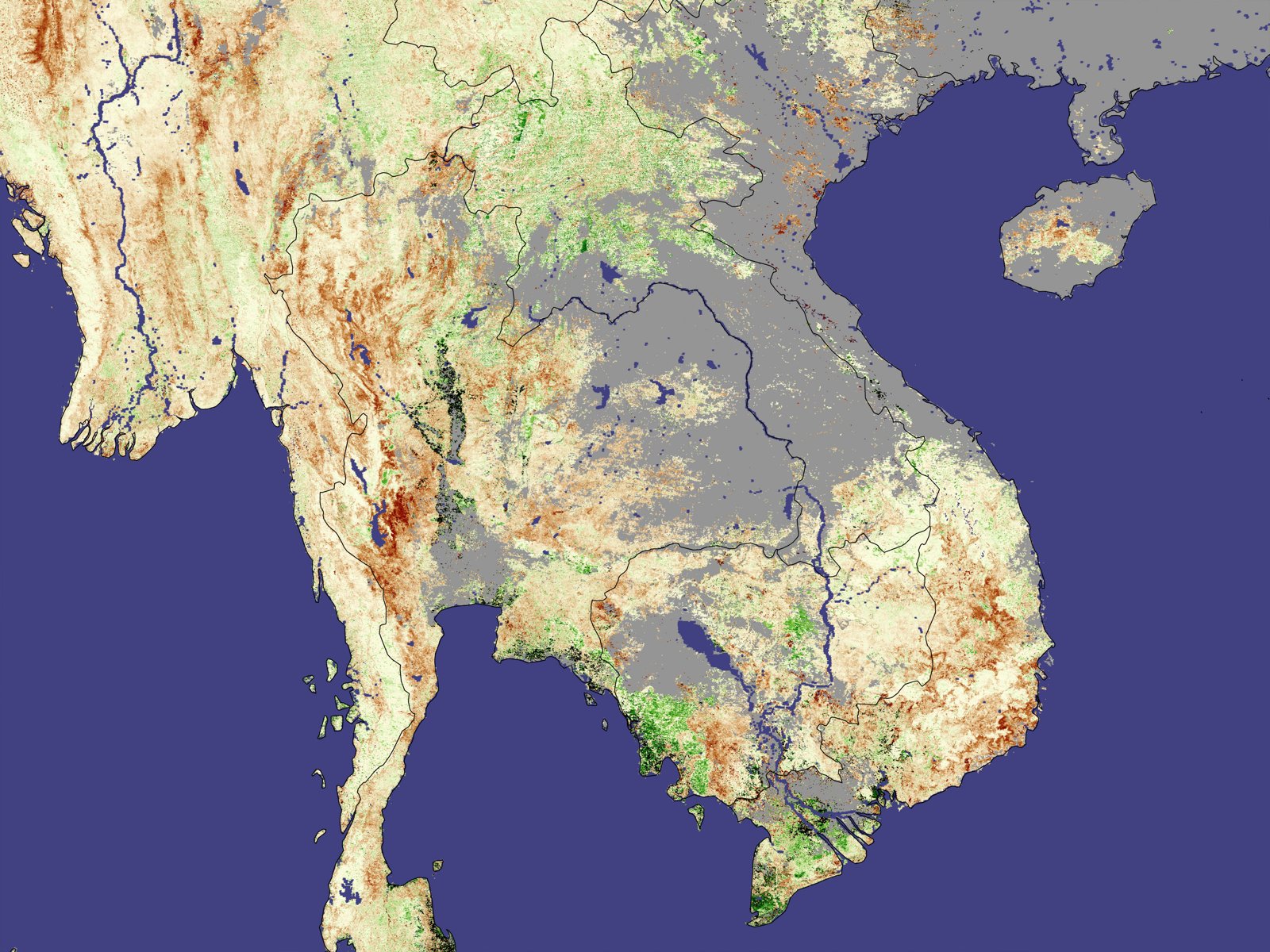
<p>Vietnam's disaster management chief says the current El Nino has reached very strong intensity and is expected to persist into early 2027, raising the risk of drought, water shortages and saltwater intrusion during the 2026-2027 dry season, especially in central and southern provinces.</p>
<p>Nguyen Thuong Hien, director of the Department of Dyke Management and Natural Disaster Prevention at the Ministry of Agriculture and Environment, gave the warning on 17 November at an annual forum where the ministry and the Vietnam Farmers' Union take questions from farmers. A farmers' union official from An Giang province in the Mekong Delta asked what the ministry would do now to help growers adjust planting calendars, crops and water use.</p>
<p>Hien said the ministry has drawn up drought and El Nino response scenarios for six socio-economic regions and individual river basins, and is drafting a directive for the Prime Minister to sign so that the response is coordinated nationwide. Farmers are being urged to switch to crop varieties and livestock that tolerate drought, salinity and heat, and to use water-saving irrigation.</p>
<p>He also called for irrigation, domestic water supply and salinity-control works to be checked and repaired, and for canals and pumping stations to be dredged, with fresh-water collection points set up before the dry season peaks. Revised laws on hydro-meteorology and on disaster prevention are expected to go to the National Assembly in 2027.</p>
<p>The national weather agency says El Nino emerged in June and became very strong from mid-September. Mai Van Khiem, deputy head of the Department of Hydro-Meteorology, said in early November that sea surface temperatures in the central Pacific's Nino 3.4 zone were about 2.5C above average, and that water flowing into reservoirs in November and December could fall 25-40 percent short of normal in the north and 30-50 percent short in the centre and south, with some reservoirs more than 65 percent short.</p>
<p>He said reservoirs in parts of the region from Hue to Dak Lak held only 45-75 percent of design capacity, and some in eastern Quang Ngai, Gia Lai and Dak Lak just 20-40 percent. The Mekong Delta should prepare for drought and salinity on the scale of the 2015-2016 and 2019-2020 dry seasons, he said, while stressing that this is a risk assessment rather than a firm forecast. He also urged the power sector to prepare for a 2027 hot season expected to arrive earlier and be harsher than usual.</p>
<p>The National Centre for Hydro-Meteorological Forecasting puts the chance that El Nino stays very strong from December to February at 79 percent, and expects average temperatures nationwide to run 1-2C above normal over that period, with fewer and later cold spells in the north.</p>
<p>Sources: Dan Tri report on the 17 November forum; Department of Hydro-Meteorology (vnmha.mae.gov.vn); Cong an Nhan dan.</p>