World · Malaysia Bureau
Veto Powers Unlikely to Disappear Without Holders' Consent
Efforts to strip entrenched institutional powers face fundamental obstacles when those benefiting from such privileges hold decision-making authority. Structural reform becomes virtually impossible when the very actors required to authorize change stand to lose their advantages.
LSN Malaysia ·
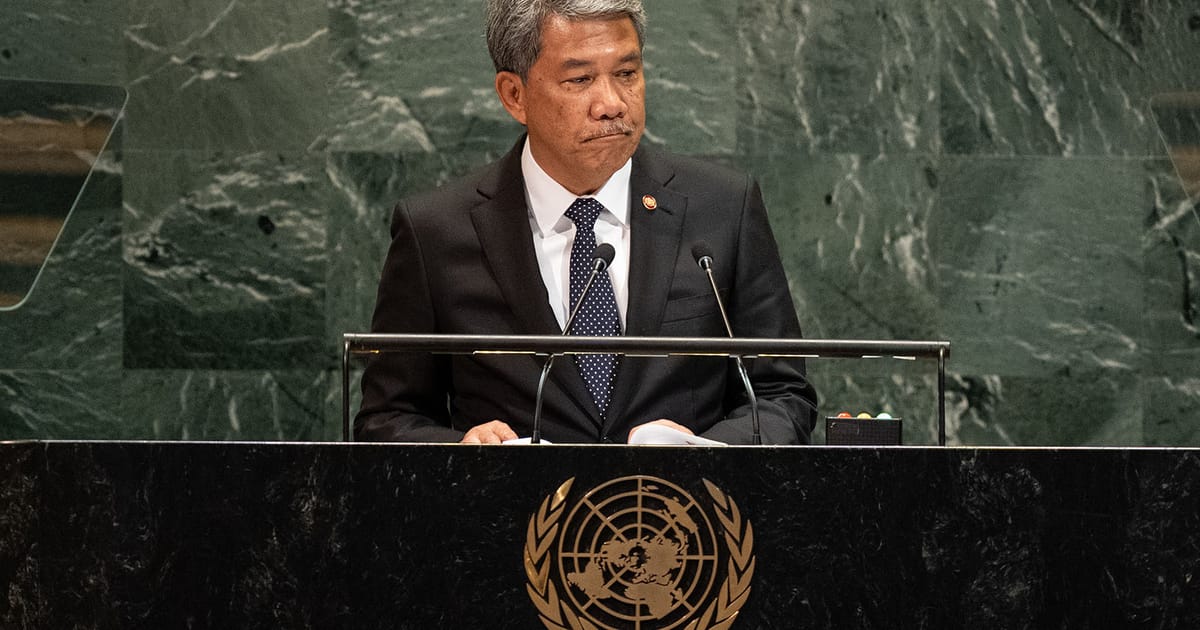
Removing deeply embedded institutional powers presents a fundamental paradox: those tasked with dismantling such privileges are often the same actors who benefit most from their existence. This structural contradiction renders reform efforts exceptionally difficult, if not futile.
Historically, entrenched privileges—whether veto powers, voting rights, or other decision-making authorities—persist because the mechanisms for their removal require consent from those holding them. When stakeholders with significant institutional advantages are asked to voluntarily relinquish those powers, incentive structures work overwhelmingly against substantive change.
The challenge is not merely political or procedural. It reflects a fundamental misalignment between those pursuing reform and those possessing the formal authority to implement it. Without external pressure, legal requirements, or fundamental shifts in the distribution of institutional leverage, privileged actors have little motivation to surrender their advantages.
This dynamic has proven consequential across multiple governance contexts in the region and globally. Meaningful reform of such entrenched powers typically requires extraordinary circumstances—constitutional crises, electoral mandates, or supermajority coalitions capable of circumventing traditional veto holders. Absent these conditions, institutional privileges tend toward permanence.