Culture & Entertainment · Malaysia Bureau
Victoria bans data centres from residential zones, demands renewable energy
Australia's Victoria state has implemented strict planning rules to restrict data centre development in residential areas, requiring operators to source their own renewable energy. The move comes as communities across the state express growing concerns about the environmental and social impact of large-scale data facilities.
LSN Malaysia ·
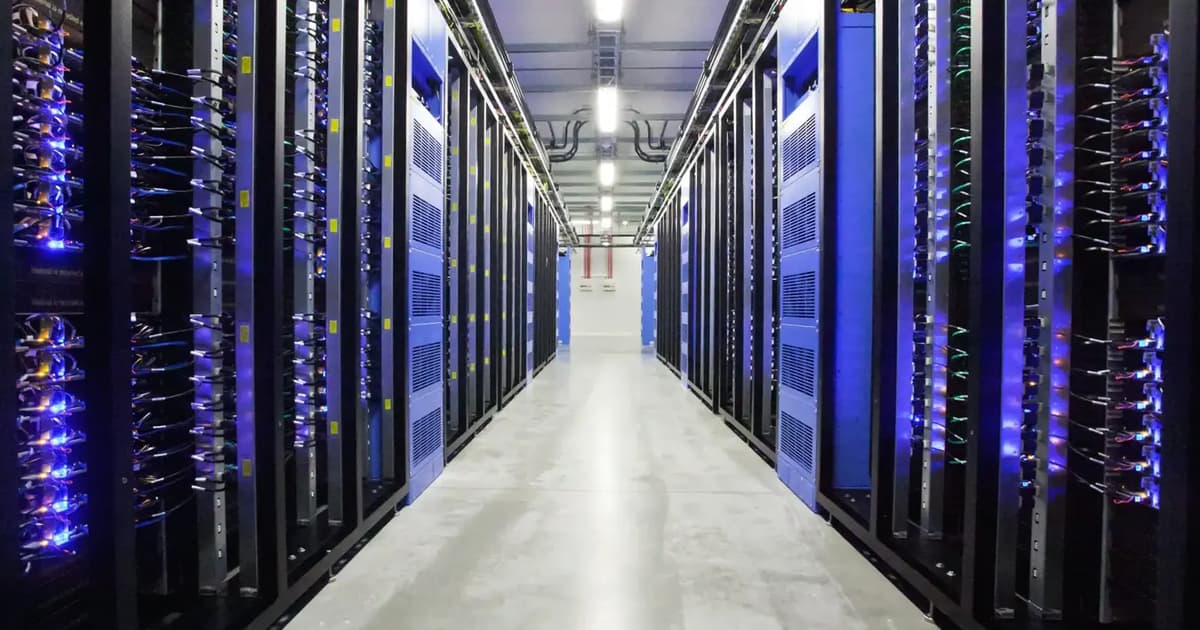
Victoria's new planning framework marks a significant shift in how the state approaches data centre expansion, addressing escalating community opposition to their placement near homes and populated areas. Under the updated regulations, data centre operators seeking approval must demonstrate they can secure dedicated renewable energy supplies to power their facilities, rather than relying on the grid.
The restrictions reflect mounting pressure from residents worried about noise, electromagnetic interference, and the environmental footprint of energy-intensive data operations. Data centres consume substantial electricity, and their concentration in certain regions has prompted local councils and community groups to demand stricter oversight of future projects.
By mandating self-sufficiency in renewable energy sourcing, Victoria aims to ensure that data centre growth does not strain existing power infrastructure or increase the state's reliance on conventional energy sources. Companies planning large facilities will need to invest in solar, wind, or other renewable installations to meet operational demands.
The policy signals a broader trend across Australia where state governments are reassessing infrastructure development alongside climate commitments and community concerns. Industry observers note the rules may increase operational costs for data centre providers but reflect the state's push toward sustainable development practices.