World · Vietnam Bureau
Vietnam advances transplant capabilities with multi-organ, domino techniques
Vietnam's transplant sector has reached a new milestone with the mastery of advanced surgical techniques beyond single-organ procedures. The country now operates 34 transplant centres capable of performing complex heart, liver, lung, kidney and cornea transplants.
LSN Vietnam ·
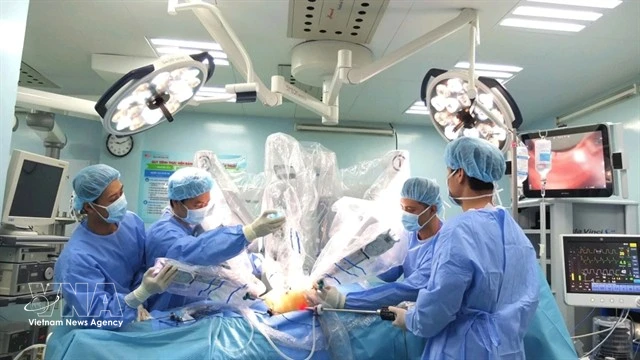
Vietnam's transplant medicine has evolved significantly, with the nation's medical institutions now performing sophisticated multi-organ and domino transplant procedures alongside conventional single-organ operations. The expansion reflects years of clinical development and investment in surgical expertise across the country's healthcare system.
The network of 34 transplant centres represents a substantial infrastructure for organ transplantation services. These facilities are equipped to handle procedures involving the heart, liver, lungs, kidneys and corneas, providing Vietnamese patients with expanded treatment options for organ failure and disease.
Recent achievements underscore the progress. A hospital in Bai Chay performed Vietnam's first multi-organ retrieval procedure, enabling five patients to receive transplants. Separately, a Ho Chi Minh City-based facility conducted the nation's first living-donor liver transplant surgery, demonstrating technical capability in both deceased and living-donor protocols.
Multi-organ and domino transplant techniques represent the frontier of transplant surgery. These procedures involve coordinating the retrieval and placement of multiple organs from single donors or orchestrating sequential transplants among multiple donor-recipient pairs, requiring precise surgical planning and coordination among medical teams.
The advancement of Vietnam's transplant sector reflects growing regional capacity in complex surgical procedures and addresses critical shortages in organ availability for patients requiring life-saving interventions.