World · Vietnam Bureau
Vietnam charts course to maritime power status by 2026
Vietnam is positioning itself as a major maritime nation through a comprehensive strategic framework, with officials identifying workforce development and logistics modernization as critical priorities for capitalizing on the country's geographic advantages.
LSN Vietnam ·
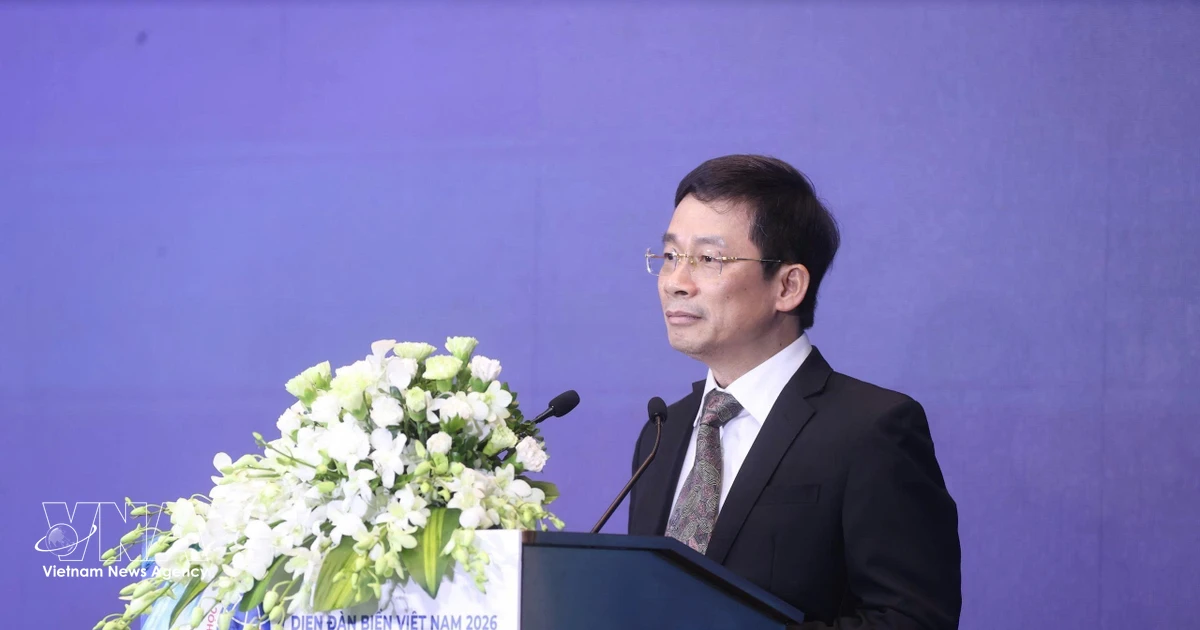
Vietnam's Politburo has signaled a fundamental reorientation of national priorities, elevating maritime strength to a central pillar of the country's development strategy. The move reflects recognition that Vietnam's extensive coastline and geographic position in one of Asia's busiest shipping lanes represent substantial untapped potential for economic growth and regional influence.
Development experts have highlighted that converting maritime advantages into tangible competitiveness requires sustained investment across multiple sectors. Logistics infrastructure modernization has emerged as a priority area, with analysts noting that outdated systems currently constrain Vietnam's ability to compete with regional shipping hubs and limit the economic returns from maritime commerce.
The port city of Hai Phong is positioning itself as a centerpiece of Vietnam's maritime ambitions, with local authorities prioritizing the development of a skilled, elite workforce capable of managing modern shipping operations and port facilities. Officials recognize that human capital will be essential to implementing Vietnam's broader maritime strategy.
The strategic shift represents a long-term commitment to leveraging Vietnam's maritime potential as part of its broader national prosperity goals. Analysts suggest the initiative could strengthen Vietnam's economic resilience while enhancing its strategic position in Southeast Asia's increasingly competitive maritime landscape.