Culture & Entertainment · Vietnam Bureau
Vietnam designates century-old coastal church as first climate heritage site
An abandoned 100-year-old church in northern Vietnam's Ninh Binh Province has been officially recognized as the country's first climate change heritage tourism site, highlighting the tangible impacts of rising sea levels on the nation's cultural landmarks.
LSN Vietnam ·
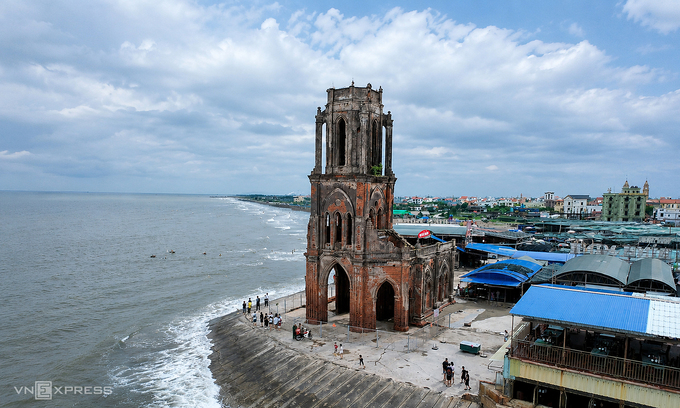
The church, located near Hai Ly Beach in Ninh Binh Province, stands as a stark reminder of environmental changes reshaping Vietnam's coastline. Once set back from the water, the structure now finds its bell tower positioned directly adjacent to the sea, a dramatic shift caused by coastal erosion and rising waters over the past century.
The designation marks a significant step in Vietnam's approach to climate change awareness and heritage preservation. By classifying the site as a climate change heritage tourism destination, authorities aim to draw attention to the accelerating environmental challenges facing the region's coastal communities and historical structures.
Vietnam's coastline has increasingly become vulnerable to climate-related threats including sea level rise, typhoons, and erosion. The country, with its lengthy Mekong Delta and numerous coastal provinces, ranks among the world's regions most affected by climate change impacts. The recognition of the Ninh Binh church as a heritage site underscores how these broader environmental pressures are directly threatening irreplaceable cultural assets.
Experts view such designations as crucial tools for raising public consciousness about climate vulnerability while encouraging sustainable tourism practices. The site is expected to serve both as an educational resource and a tourism destination, allowing visitors to witness firsthand the consequences of environmental change on Vietnam's physical and cultural landscape.